
Most people don’t spend much time thinking about the water flowing through their house. It’s just there — running from taps, filling kettles, powering showers, washing clothes. We expect it to work, and usually it does. But every now and then, you stay somewhere else for a few days and suddenly realize something feels different. Your hair feels smoother. Soap rinses off more easily. The shower glass doesn’t look cloudy after one use.
That’s often when people begin paying attention to what’s happening with their water at home.
The truth is, water affects daily comfort in ways we rarely notice until something changes. It’s one of those background parts of life that quietly shapes routines, appliances, cleaning habits, and even how a home feels overall.
Why Water Feels Different From House to House
Not all water is the same. Depending on where you live, the local supply may contain different levels of minerals, chlorine, sediment, or other naturally occurring elements. Some homes receive water that feels harsh on the skin, while others have water that seems smoother and easier to use.
One of the biggest differences comes down to mineral content. In many regions, groundwater picks up calcium and magnesium as it moves through rock and soil. Those minerals eventually make their way into homes, affecting everything from plumbing to laundry.
People often adapt without realizing it. They scrub harder when cleaning dishes. They buy extra detergent. They assume dry skin after a shower is just normal. Over time, those small inconveniences become part of everyday life.
Then they experience soft water somewhere else and suddenly understand what they’ve been missing.
It’s a surprisingly noticeable change. Soap lathers faster, towels feel fluffier, and surfaces stay cleaner longer. Nothing dramatic, exactly — just easier.
The Relationship Between Water and Household Comfort
There’s something oddly satisfying about a home that works smoothly. The dishwasher cleans properly. The shower pressure stays consistent. Clothes come out of the washing machine feeling fresh instead of stiff.
Water quality plays a much bigger role in that than most people realize.
Mineral-heavy water can slowly create buildup inside appliances and plumbing systems. Water heaters may lose efficiency over time, while showerheads and faucets begin collecting stubborn residue. It’s rarely an overnight problem. Usually, it’s more like a slow drip of inconvenience that quietly gets worse year after year.
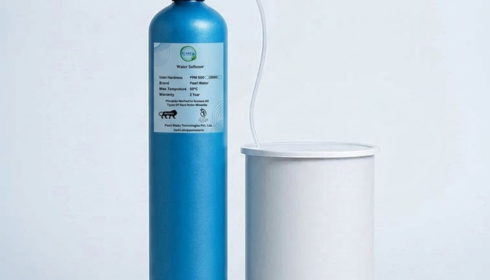
That’s why many homeowners eventually start looking into ways to improve their home’s water system. Sometimes that means filtration. Sometimes softening equipment. Sometimes both. The right approach depends on the specific condition of the local supply and what problems people are trying to solve.
Honestly, no system is perfect or maintenance-free. Filters need replacing. Equipment occasionally needs attention. But for many families, the improvement in day-to-day comfort makes it worthwhile.
Small Clues Your Water Might Need Attention
Water problems aren’t always obvious at first. In fact, some of the earliest signs are easy to dismiss.
Maybe dishes develop cloudy spots no matter how carefully they’re washed. Maybe faucets collect chalky residue around the edges. Or perhaps soap never seems to rinse completely off your hands. Those little details often point toward mineral content or imbalance in the supply.
One friend of mine complained for months that her black shirts looked faded after just a few washes. She blamed the detergent, then the washing machine, then the clothing brands themselves. Eventually, a local technician pointed out that the mineral content in her water was contributing to the problem the entire time.
Funny how we tend to suspect everything except the water.
Better Water Isn’t About Luxury
People sometimes hear conversations about filtration or softening systems and assume it’s all about luxury living. But for many households, it’s simply about reducing frustration and protecting the home itself.
Improving water quality can help appliances last longer, reduce cleaning effort, and make daily routines more comfortable overall. Even small improvements can create noticeable differences over time.
And this isn’t only about aesthetics. Water touches nearly every part of home life — cooking, bathing, laundry, cleaning, hydration. When it feels unpleasant or leaves constant residue behind, people notice the effects whether they realize the source or not.
That’s probably why homeowners are paying more attention to water now than they used to. Information is easier to access, testing kits are more common, and people are becoming more aware of how environmental factors affect comfort indoors.
A Home Feels Better When the Basics Work Well
There’s something grounding about simple things functioning properly. Clear dishes. Softer towels. Showers that feel refreshing instead of drying. Appliances that don’t struggle unnecessarily.
Good water doesn’t need to impress anyone. It just quietly supports the rhythm of everyday life.
And maybe that’s the interesting part — the best home improvements aren’t always flashy renovations or expensive upgrades. Sometimes they’re invisible changes that slowly make daily routines feel easier, cleaner, and more comfortable without demanding attention.
Water sits at the center of so many ordinary moments. Once you start noticing its impact, it becomes difficult to overlook how important it really is.