
People usually notice water only when something goes wrong.
A leaking pipe. A broken water heater. Rust stains around the sink. Maybe the dishwasher suddenly gives up years earlier than expected and everyone in the house just shrugs and says, “Well, I guess appliances don’t last like they used to.”
But honestly, sometimes the issue isn’t the appliance at all.
Sometimes it’s the water running through the house every single day.
It’s funny how easy it is to overlook. Water feels simple because it’s always there. You turn a handle, it appears. End of story. Yet the quality of that water quietly affects plumbing systems, fixtures, skin, laundry, and expensive household equipment in ways most people don’t think about until repairs start piling up.
And by then, the damage has usually been building for years.
Hard Water Has a Way of Wearing Things Down Slowly
One thing homeowners often underestimate is how gradual mineral damage can be.
There’s no dramatic moment where your pipes suddenly wave a white flag. Instead, minerals like calcium and magnesium slowly settle inside plumbing systems and appliances over time. Water heaters become less efficient. Showerheads clog. Faucets lose pressure. Coffee makers collect residue faster than they should.
You adapt to it without realizing.
I remember visiting a friend who constantly complained about replacing kettles and washing machine parts. At first, it sounded like bad luck. Then I noticed the chalky residue around every faucet in the house. The shower glass looked cloudy even though it had just been cleaned.
The problem wasn’t poor cleaning habits. It was untreated hard water.
That’s where proper water treatment starts becoming less of a luxury upgrade and more of a practical long-term investment.
It’s Not Just About Drinking Water
A lot of people hear “water treatment” and immediately think about purified drinking water. That’s definitely part of it, but household water quality goes much deeper than what comes out of the kitchen tap.
Water interacts with almost every major system in a home.
Think about how often appliances rely on water daily:
- Dishwashers
- Washing machines
- Water heaters
- Refrigerators
- Coffee machines
- Showers and faucets
When mineral-heavy water flows through those systems year after year, buildup becomes unavoidable.
And the frustrating part? Most homeowners don’t connect the dots until repairs become expensive.
Why Pipes Need More Attention Than Most People Give Them
Plumbing is one of those hidden systems nobody thinks about until there’s a serious issue. It sits behind walls quietly doing its job, so it’s easy to forget it exists at all.
But hard water can be rough on pipes over time.
Mineral deposits collect gradually inside plumbing lines, narrowing the space water travels through. That restriction can reduce water pressure and place extra strain on the entire system. Older homes especially tend to suffer from this because buildup compounds year after year.
Some homeowners spend money chasing symptoms — replacing fixtures, unclogging showerheads repeatedly, or increasing water pressure — without realizing the core issue remains untreated.
Good plumbing protection often starts with understanding the quality of the water entering the house in the first place.
It’s not glamorous advice, I know. But it’s practical.
The Appliance Problem Nobody Talks About Enough
Appliances are expensive now. Really expensive.
A decent washing machine or water heater can cost far more than people expect, especially once installation and repairs get involved. That’s partly why more homeowners are paying closer attention to preventive maintenance instead of waiting for breakdowns.
Mineral-heavy water forces appliances to work harder than necessary. Heating elements become coated with residue. Internal components wear faster. Efficiency slowly drops even before obvious problems appear.
And because this happens gradually, many people assume aging appliances are simply normal wear and tear.
Sometimes they are. Sometimes they’re not.
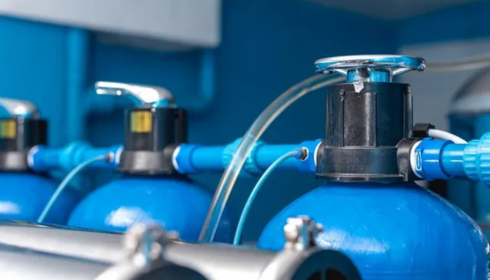
That’s why appliance protection has become a growing reason homeowners invest in softening systems and filtration setups. It’s less about chasing perfection and more about reducing long-term stress on expensive equipment.
Kind of like regular oil changes for a car. You’re not preventing every future issue, but you’re definitely improving the odds.
Softer Water Changes Small Daily Experiences Too
What surprises people most after improving their water quality usually isn’t the plumbing. It’s the everyday comfort.
Laundry feels softer. Soap rinses cleaner. Hair doesn’t feel as dry after showers. Dishes come out clearer from the dishwasher. Bathroom cleaning becomes less frustrating because residue isn’t constantly forming on every surface.
They’re small details individually.
Together, though, they change the overall feeling of living in the house.
And honestly, that emotional side matters too. A home feels easier to maintain when water isn’t constantly leaving behind stains, buildup, or residue everywhere.
Every Home Is Different
Not every household needs the same solution. That’s important to remember.
Some homes only deal with mild hardness levels and benefit from basic filtration. Others, especially in areas with extremely mineral-rich water, may require more advanced systems to manage scaling and sediment properly.
The smartest starting point is usually a water test. Guessing rarely works well because water quality can vary dramatically from one region — sometimes even one neighborhood — to another.
And despite the marketing claims floating around online, there’s no magic one-size-fits-all setup.
Final Thoughts
Water is one of those invisible parts of homeownership people tend to ignore until something starts failing.
But the reality is simple: the quality of your water quietly influences your plumbing, appliances, maintenance costs, and even day-to-day comfort more than most people realize.
Improving water quality won’t suddenly transform life overnight. The house won’t become perfect. Pipes still age. Appliances still wear out eventually.
Still, reducing the strain that poor water creates can make a home feel cleaner, more efficient, and easier to care for over time.
And sometimes, the best home improvements are the ones working silently in the background every single day.