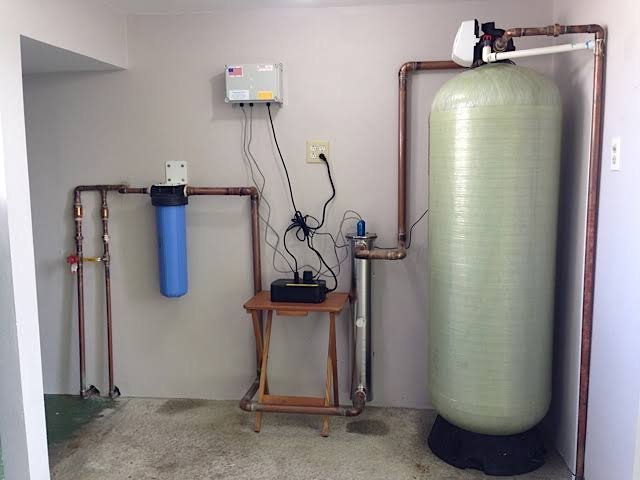
Water has a funny way of staying invisible until something goes wrong. You turn on the tap every morning expecting everything to work, and most days it does. Then one afternoon the water pressure drops, a strange smell appears, or the storage system starts causing more headaches than it solves. Suddenly, something you never thought about becomes the center of attention.
That happens in homes, commercial buildings, schools, factories—you name it. Reliable water systems aren’t built by chance. They’re the result of thoughtful planning, routine maintenance, and understanding how every component works together. While filters and pumps usually get the spotlight, the overall design behind a water system often determines whether it performs well for years or becomes an endless maintenance project.
A Water System Is More Than a Collection of Parts
People often shop for water equipment the same way they buy appliances. They compare brands, prices, and features, hoping the newest model will solve every issue.
Reality is a little different.
A pump that’s perfect for one building may struggle in another. A filtration unit designed for light residential use won’t necessarily meet the demands of a busy commercial facility. Even the placement of pipes, pressure controls, and storage capacity can affect daily performance.
It’s a bit like building a house. High-quality bricks don’t guarantee a strong home if the foundation wasn’t planned properly.
Looking at the entire system instead of individual products usually leads to better results and fewer surprises down the road.
Storage Matters More Than Most People Realize
When conversations turn to water infrastructure, storage tanks rarely become the exciting topic. Yet they’re one of the hardest-working parts of any water system.
A properly planned storage tank design helps maintain stable water pressure, provides reserve capacity during emergencies, reduces unnecessary pump cycling, and supports consistent water availability during periods of high demand.
Poor planning, on the other hand, can create stagnant water, inefficient circulation, excess energy use, and expensive maintenance problems that continue for years.
It’s interesting how something that quietly sits in the background can influence the performance of an entire water network every single day.
Every Water Source Has Its Own Personality
No two water supplies behave exactly alike.
Municipal water changes throughout the year depending on rainfall, treatment adjustments, seasonal demand, and infrastructure work. Private wells are influenced by local geology, rainfall patterns, nearby agriculture, and groundwater conditions.
That’s why recommendations copied from neighbors or online forums don’t always work.
I’ve met homeowners who installed expensive filtration systems because someone else recommended them, only to discover later that their actual water issue was completely different. It wasn’t the equipment that failed—it simply wasn’t solving the right problem.
Understanding the source always comes before choosing the solution.
Testing Removes the Guesswork
Water can look crystal clear while still containing minerals, dissolved solids, bacteria, or other contaminants that aren’t immediately obvious.
That’s exactly why a professional water quality test makes so much sense before investing in treatment equipment. Instead of relying on assumptions or marketing claims, testing provides measurable information about what’s actually present.
Sometimes the results reveal only minor concerns that require simple adjustments. Other times they identify issues that deserve immediate attention before they affect plumbing, appliances, or health.
Either way, knowledge almost always saves money in the long run.
Buying first and testing later rarely works out as well.
Planning Today Prevents Expensive Repairs Tomorrow
One of the biggest misconceptions about water systems is that maintenance only matters after something breaks.
In reality, the opposite is usually true.
Routine inspections catch small leaks before they become major repairs. Pressure monitoring prevents unnecessary strain on pumps. Cleaning storage tanks at appropriate intervals helps preserve water quality while extending equipment life.
Preventive maintenance doesn’t generate exciting stories, but it quietly protects investments year after year.
Businesses have understood this for decades because downtime costs money. Homeowners are increasingly recognizing the same principle.
Every Building Has Different Requirements
A family home doesn’t use water the same way a restaurant does.
Hospitals have different priorities than office buildings. Hotels experience fluctuating demand throughout the day. Manufacturing facilities often require water that meets highly specific quality standards for production processes.
Trying to force every property into the same system design usually creates inefficiencies somewhere.
Good planning starts with asking practical questions.
How much water is used each day?
When does peak demand occur?
Is future expansion likely?
What level of treatment is actually necessary?
Answering these questions early helps avoid costly redesigns later.
Technology Is Helpful, But Experience Still Matters
Modern monitoring systems have transformed water management.
Digital sensors can track pressure changes, monitor storage levels, identify leaks earlier, and even provide maintenance alerts before failures occur. Automated controls have also improved efficiency while reducing energy consumption.
Still, technology works best when paired with thoughtful system planning.
Even the smartest equipment can’t compensate for poor layouts, undersized storage, or incorrect flow calculations.
That’s why experienced professionals continue to play such an important role in designing reliable water infrastructure.
Small Decisions Often Have the Biggest Impact
Many people assume improving a water system requires massive upgrades or expensive equipment replacements.
Surprisingly, that’s not always true.
Adjusting pressure settings, improving pipe routing, increasing storage efficiency, scheduling regular inspections, or replacing aging components at the right time can significantly improve overall performance without rebuilding everything from scratch.
The best improvements are often the ones nobody notices because everything simply starts working the way it should.
Taking the First Step Is Easier Than You Think
Whether you’re responsible for a family home, an office building, a commercial property, or an industrial facility, investing time in understanding your water system is rarely wasted.
Reliable water supports comfort, protects valuable equipment, improves efficiency, and reduces unexpected repair costs over the long term.
If you’re unsure where to begin, scheduling a professional consultation today can provide valuable guidance tailored to your specific property and water conditions. Sometimes a single conversation uncovers practical improvements that save significant time, money, and frustration later.
Water systems don’t need to be complicated—they simply need to be planned with care. When every component works together as intended, reliable water becomes something you hardly think about anymore, and honestly, that’s probably the best outcome anyone could ask for.