
Water is one of those things we rarely question—until something feels off. Maybe the tap water smells a little metallic, or the dishes come out of the dishwasher with cloudy spots. Sometimes the shower leaves your skin dry and itchy, and you start wondering: Is it the soap, or is it the water itself?
These little signs often go unnoticed for a while. Life gets busy. But over time, many homeowners begin to realize that water quality quietly affects everyday comfort, health, and even household appliances.
The truth is, water isn’t exactly the same everywhere. What flows through the pipes in one town can be very different from what comes out of a faucet just a few miles away. Minerals, sediments, chlorine levels—there’s a lot going on behind the scenes. And understanding that difference is usually the first step toward better water at home.
The Hidden Story Behind Your Tap Water
At first glance, water seems simple. It’s clear, it’s wet, and it’s essential. But chemically speaking, it’s a surprisingly complex mixture.
In many regions, water naturally carries minerals like calcium and magnesium. These aren’t harmful in small amounts, but they can lead to what people call “hard water.” If you’ve ever noticed chalky buildup on faucets or a white film on glassware, you’ve already met hard water.
Other times, municipal water supplies contain disinfectants such as chlorine or chloramine. These help make water safe to drink, which is important. Still, the side effects can include unusual tastes or odors that make people reach for bottled water instead.
Then there are other potential concerns—iron, sulfur, sediments, and sometimes nitrates in certain rural areas. Each issue tells its own story about where the water comes from and what it encounters on the way to your home.
So how do you figure out what’s really in your water? That’s where a free water test can make a meaningful difference. Instead of guessing—or relying on internet forums full of conflicting opinions—you get a clear snapshot of what’s actually present in your household supply.
And honestly, that clarity is refreshing.
Why One-Size-Fits-All Filters Rarely Work
Walk into a big-box store and you’ll see rows of water filters promising cleaner, better-tasting water. Pitchers, faucet attachments, countertop systems—it can feel like a maze of options.
The problem? Most of those products are designed for general use, not for the specific conditions of your home’s water.
Imagine buying running shoes without knowing your foot size. They might work… or they might not. Water treatment works in a similar way. Without understanding the exact mineral balance or contaminants in your supply, it’s difficult to choose the right system.
That’s why many homeowners are turning toward customized water treatment solutions instead of generic filters. These systems are designed around the unique chemistry of your local water, not around marketing claims.
For example, a home dealing with heavy iron content may require a specialized filtration system. Another household might benefit more from a softening system that addresses mineral hardness. In some cases, reverse osmosis systems are added for drinking water purification.
Each solution addresses a specific need. No guesswork, no unnecessary equipment.
And perhaps most importantly, it tends to work better in the long run.
How Better Water Improves Daily Life
People often assume water treatment is mainly about drinking water. But once a system is installed, the benefits tend to show up in unexpected ways.
Laundry, for instance, suddenly feels different. Clothes come out softer and colors last longer. Soap and detergent actually lather properly instead of fighting mineral buildup.
Showers become more comfortable too. Hard water can leave residue on skin and hair, making them feel dry or brittle. When that mineral load is reduced, many people notice smoother hair and less irritation.
Then there’s the kitchen. Coffee tastes cleaner. Tea brews more evenly. Even simple things—like filling a glass of water at night—feel more satisfying.
It’s funny how something so ordinary can quietly influence so many parts of daily life.
The Importance of Proper System Setup
Installing a water treatment system might seem straightforward at first glance. After all, plenty of DIY tutorials exist online. But water systems connect directly to plumbing infrastructure, and mistakes can lead to leaks, pressure issues, or inefficient filtration.
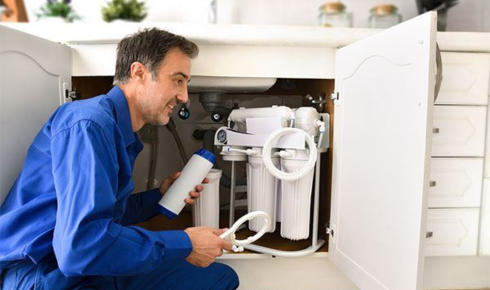
That’s why many homeowners prefer professional installation when setting up water treatment equipment. Experienced technicians understand flow rates, pressure balance, and how different filtration stages interact with household plumbing.
They also make sure the system is properly calibrated. A poorly adjusted softener or filter may technically run, but it might not actually solve the water issue.
Think of it like tuning a musical instrument. Even the best equipment needs proper adjustment to perform the way it’s meant to.
When installed correctly, a well-designed system tends to run quietly in the background—doing its job day after day without much attention.
A Small Change With Lasting Impact
It’s easy to overlook water quality because it’s so familiar. We use it every day without thinking twice. But once you start paying attention, you realize how much influence it has on comfort, cleanliness, and even household efficiency.
Better water can extend the life of appliances, reduce mineral buildup in pipes, and make everyday routines just a little more pleasant.
And maybe that’s the real point.
Improving water at home isn’t about chasing perfection or buying complicated equipment. It’s about understanding what’s in your water and making thoughtful adjustments where they matter.
Sometimes it starts with a simple test. Sometimes with a conversation with a water specialist. Either way, the result tends to be the same—clearer water, smoother mornings, and one less thing to worry about in a busy day.