
There’s a moment that catches most people off guard. You turn on the tap like you always do — maybe to fill a glass or rinse vegetables — and something feels… off. It might be a faint odor you can’t quite place, or a taste that lingers longer than it should. At first, you shrug it off. Maybe it’s just the pipes, you think. But when it keeps happening, you start to wonder.
Water is something we trust without question. It’s part of nearly every routine — cooking, cleaning, bathing, and of course, drinking. So when it doesn’t feel right, even slightly, it can be unsettling.
The truth is, changes in water smell or taste often have simple explanations. But they also serve as early signals that it might be time to pay closer attention to what’s flowing through your home’s pipes.
Why Water Sometimes Smells Unpleasant
Unusual odors in water are more common than many people realize. Often, they’re caused by natural elements rather than harmful contaminants.
One of the most frequent culprits is hydrogen sulfide — a compound that creates a “rotten egg” smell. It typically forms when organic material breaks down in groundwater.
Iron bacteria can also cause earthy or metallic odors. While these aren’t usually dangerous, they can make water unpleasant to use.
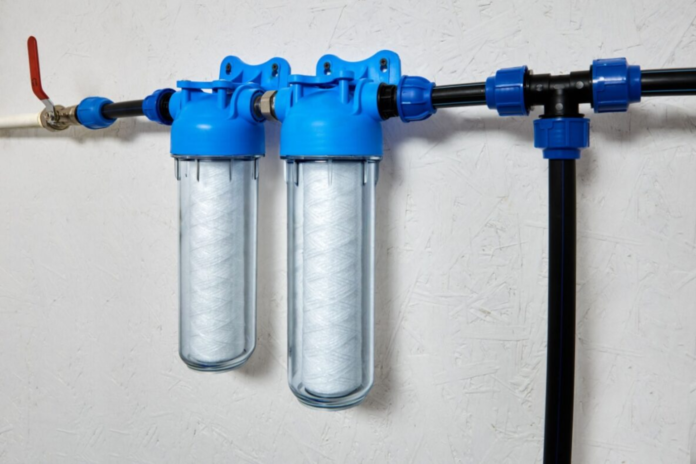
This is where homeowners begin exploring smelly water solutions designed to eliminate these odors at their source. Filtration systems and specialized treatments can remove sulfur compounds, iron bacteria, and other odor-causing elements, restoring water to a more neutral state.
Once treated, many people are surprised at how much more comfortable everyday tasks feel — from brushing teeth to washing dishes.
When Taste Becomes a Concern
Taste is another important indicator of water quality. Even when water looks clear, it may contain dissolved minerals or chemicals that affect flavor.
A metallic taste often points to iron or copper content, while a chlorine-like flavor can result from municipal disinfection processes.
Over time, bad tasting water can discourage proper hydration, especially for children or sensitive individuals who may avoid drinking it altogether.
Filtration systems designed to improve taste typically remove chlorine, sediment, and other dissolved substances. The result is cleaner, fresher water that encourages healthier daily habits.
Many homeowners find that once their water tastes better, they naturally drink more of it — often reducing reliance on bottled water.
The Everyday Impact of Hard Water
Beyond smell and taste, water quality also affects how water interacts with surfaces and skin.
Hard water contains high levels of minerals like calcium and magnesium. While not harmful to consume, these minerals can create noticeable inconveniences.
Soap may struggle to lather. Dishes may appear cloudy after washing. Laundry can feel stiff, and skin may feel dry after showers.
This is why many households seek ways to achieve healthy soft water. Water softening systems remove excess minerals, making water feel smoother and more effective for cleaning.
Soft water often leaves skin feeling less irritated, hair easier to manage, and surfaces cleaner with less effort.
The Hidden Costs of Untreated Water
Poor water quality doesn’t just affect comfort — it can also impact home infrastructure.
Mineral deposits from hard water can accumulate inside pipes, reducing water flow over time. Appliances like water heaters, dishwashers, and washing machines may experience reduced efficiency due to scale buildup.
Treating water helps prevent these issues, extending the lifespan of plumbing systems and household appliances.
For many homeowners, this long-term protection becomes one of the most valuable benefits of water treatment solutions.
The Importance of Water Testing
Before choosing any treatment system, understanding your water’s composition is essential.
Water testing identifies mineral levels, bacteria presence, and chemical contaminants. This information allows homeowners to select targeted solutions rather than relying on guesswork.
Testing also helps determine whether issues are temporary or part of ongoing water conditions.
Many professionals offer testing services that provide detailed reports and personalized recommendations.
Environmental and Financial Benefits
Improving water quality often leads to reduced use of cleaning products and detergents. Soft water allows soaps to work more effectively, requiring smaller quantities.
This reduces both household expenses and environmental impact by minimizing chemical waste.
Additionally, treated water helps appliances operate more efficiently, lowering energy consumption over time.
These combined benefits make water treatment both an environmentally responsible and financially practical choice.
A Subtle Upgrade That Changes Daily Life
One of the most interesting aspects of water quality improvements is how subtle they feel at first.
There’s no dramatic transformation. Instead, small changes accumulate — showers feel more comfortable, dishes come out cleaner, and drinking water becomes more enjoyable.
Over time, these improvements become part of daily life, quietly enhancing comfort and convenience.
Listening to What Your Water Is Telling You
Water rarely changes overnight. Its signals tend to appear gradually — a slight odor here, a taste difference there.
Paying attention to these subtle cues allows homeowners to address issues early, preventing long-term problems.
And perhaps that’s the key lesson: water isn’t just something we use. It’s something we live with every day.
When it smells clean, tastes fresh, and feels comfortable, it quietly supports health, comfort, and peace of mind in ways we often don’t fully appreciate — until we experience the difference for ourselves.