
Water has this strange way of disappearing from our thoughts until we suddenly don’t have enough of it. One day it’s just there — flowing from taps, filling glasses, washing dishes, watering gardens — and the next, we hear about shortages, dry reservoirs, or rising utility bills. That shift, when water stops feeling infinite and starts feeling fragile, changes how we see it.
In many parts of the world, people are beginning to rethink their relationship with water. Not in dramatic, sweeping ways, but through small, practical choices made at home and in communities. And oddly enough, those small decisions often end up making the biggest difference.
The Quiet Wake-Up Call
For decades, water management was something most households never had to think about. It was handled by cities, utilities, and infrastructure systems that operated quietly in the background. But climate change, urban expansion, and growing populations have changed the equation.
Now, more homeowners are asking questions they never asked before: Where does our water come from? How much do we waste without realizing it? And what can we do — realistically — to use it more responsibly?
The answers don’t require complicated technology or huge investments. Often, they begin with awareness.
The Simple Power of Collecting Rain
There’s something almost poetic about using rainwater. It falls freely, quietly, and predictably in many regions, yet so much of it goes unused. It runs off rooftops, down driveways, and straight into storm drains, carrying debris and pollutants along the way.
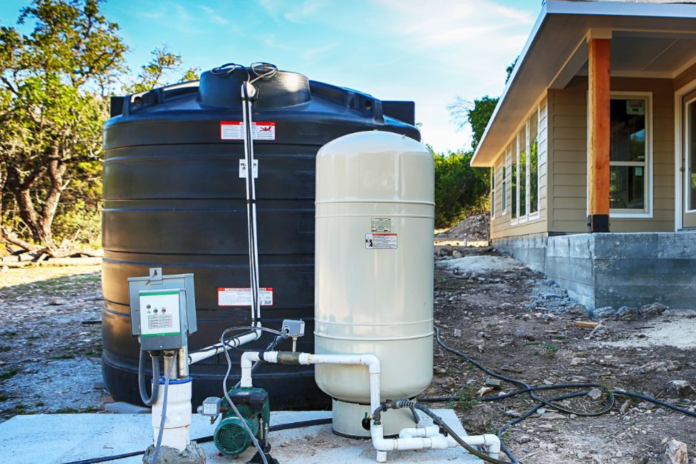
That’s why more households are turning toward rainwater harvesting — a simple practice that has existed for centuries but feels surprisingly modern today. Whether it’s a small barrel connected to a gutter or a more advanced storage system, collecting rainwater can significantly reduce dependence on treated municipal water.
Many people start using collected rainwater for gardening, cleaning outdoor areas, or even flushing toilets. Over time, they often discover something unexpected: a sense of satisfaction. There’s a quiet pride in knowing that something once wasted is now being used thoughtfully.
Looking Beneath the Surface
While rainwater systems are visible and easy to understand, some of the most important water challenges exist underground. Aquifers — the hidden reservoirs beneath our feet — supply drinking water to millions of communities.
Yet many people rarely think about them.
Over-extraction, pollution, and improper land use can severely impact these underground sources. That’s where effective groundwater management becomes essential. It involves monitoring usage, protecting recharge zones, and ensuring that water is withdrawn at sustainable rates.
In some regions, local initiatives encourage residents to plant permeable landscapes, reduce chemical runoff, and adopt water-efficient irrigation methods. These actions may seem small, but collectively, they help protect water supplies that future generations will rely on.
The Overlooked Side of Water Use
When we think about water conservation, we usually focus on clean water entering our homes. But there’s another side of the story — what happens after we use it.
Every shower, load of laundry, and dishwashing cycle produces wastewater. Without proper treatment, it can contaminate rivers, soil, and groundwater. That’s why innovative wastewater solutions are becoming increasingly important.
Modern systems can treat greywater for reuse in landscaping, reduce harmful pollutants before discharge, and even recover valuable resources like energy and nutrients. For homeowners, this can mean installing compact treatment units or simply choosing appliances designed to minimize waste.
It’s a reminder that responsible water use doesn’t end when water flows down the drain.
Why Small Changes Matter More Than Big Promises
There’s a tendency to assume that environmental problems require massive technological breakthroughs. And yes, large-scale infrastructure improvements are important. But in many cases, meaningful progress comes from everyday habits.
Shorter showers. Fixing leaks quickly. Choosing drought-resistant plants. Reusing water where possible. These actions may feel minor, but they add up over time.
Think about it this way: if a single household saves just a few gallons each day, the impact may seem negligible. But multiply that by thousands — or millions — of households, and suddenly the difference becomes substantial.
Water and Emotional Connection
Beyond practical benefits, managing water responsibly often creates a deeper emotional connection to the environment. People who actively conserve water tend to become more aware of seasonal changes, rainfall patterns, and natural cycles.
They start noticing things they once overlooked — how soil absorbs water after a storm, how plants respond to consistent watering, how water scarcity affects communities differently.
This awareness fosters a sense of stewardship rather than ownership. Instead of seeing water as something we control, we begin to see it as something we share.
Communities Working Together
Some of the most inspiring water management stories come from collective efforts rather than individual actions. Neighborhood rainwater initiatives, shared irrigation systems, and local conservation programs demonstrate how collaboration can amplify impact.
Schools, businesses, and municipalities are also playing key roles by promoting water literacy and encouraging sustainable practices. These initiatives help create a culture where responsible water use becomes the norm rather than the exception.
A Future Shaped by Choices Today
It’s easy to feel overwhelmed when thinking about global water challenges. Headlines about droughts, pollution, and shortages can make the situation seem distant and unmanageable.
But the truth is, the future of water depends largely on everyday choices made in homes, neighborhoods, and communities. By adopting practical solutions, protecting natural resources, and staying mindful of consumption, individuals can play a meaningful role in safeguarding water supplies.
And perhaps that’s the most hopeful part of this story.
Water may be a global issue, but its care begins locally — with simple actions, thoughtful habits, and a willingness to see this essential resource not as unlimited, but as something precious.
Because when we start treating water with respect, we’re not just protecting a resource. We’re protecting the foundation of life itself.