
Water is one of those things we rarely question—until it gives us a reason to.
Maybe it’s the white crust forming around your faucet. Maybe your dishes come out of the dishwasher looking cloudy. Or maybe you run a café or a manufacturing facility and notice equipment breaking down faster than it should. Suddenly, water isn’t just “water.” It’s a variable. A hidden factor affecting comfort, cost, and even reputation.
The truth is, the quality of the water flowing through your home or business shapes daily life more than most people realize. And once you understand that, ignoring it feels almost careless.
The Subtle Annoyance of Hard Water
Let’s start with something many households experience without fully understanding: mineral buildup.
If you’ve ever scrubbed stubborn residue from your shower doors or felt like your shampoo just doesn’t lather properly, you’ve encountered hard water problems. Hard water contains higher concentrations of minerals like calcium and magnesium. They’re not harmful to drink, but they leave their mark—literally.
Over time, those minerals accumulate in pipes and appliances. Water heaters work harder. Washing machines strain. Soap loses efficiency. Skin and hair may feel dry after a shower, even when you’re using quality products.
It’s easy to dismiss these as minor inconveniences. But small inefficiencies compound. Higher energy bills. Shorter appliance lifespan. Increased cleaning time. It adds up.
When Homes Demand More Than Basic Supply
Municipal water systems do their job. They treat and deliver water according to safety standards. But “safe” doesn’t always mean optimal for your specific needs.
That’s where residential water treatment comes into the conversation. It’s not about paranoia. It’s about customization.
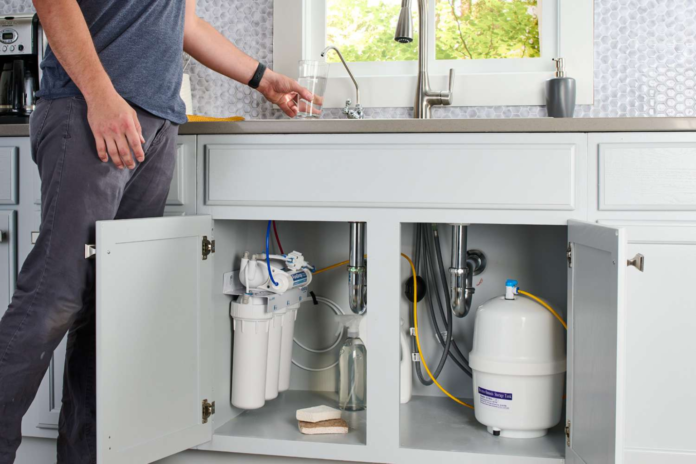
Some households install water softeners to address mineral buildup. Others opt for filtration systems to reduce chlorine taste or sediment. In rural areas, well water users may require more targeted solutions based on testing results.
What’s interesting is how quickly homeowners notice the difference once treatment is in place. Laundry feels softer. Faucets stay cleaner longer. Coffee tastes better. Even showering feels slightly different—less harsh, somehow.
It’s not dramatic. It’s subtle. But subtle improvements in daily comfort can be surprisingly powerful.
Water in the Workplace: Higher Stakes, Higher Impact
If water quality matters at home, it matters even more in business environments.
Restaurants rely on consistent water for cooking and beverage quality. Hotels depend on guest comfort. Manufacturing facilities need reliable systems to protect equipment. Healthcare environments require strict standards.
That’s where commercial water solutions become essential rather than optional.
In commercial settings, untreated hard water can scale up quickly—literally. Boilers clog. Cooling systems lose efficiency. Dishwashers underperform. Maintenance costs increase. Downtime becomes expensive.
Unlike a homeowner who might tolerate minor inconvenience, businesses can’t afford inconsistent performance.
Commercial water treatment often involves larger-scale filtration, softening systems, or specialized processes tailored to industry requirements. It’s less about preference and more about operational stability.
Testing Before Treating
One mistake people make—both homeowners and business owners—is assuming they know what’s wrong without testing.
Water varies dramatically depending on geography, infrastructure, and source. What’s common in one region might be irrelevant in another.
Before investing in treatment systems, a professional water analysis provides clarity. It identifies mineral levels, chemical presence, and other characteristics that influence decision-making.
Guesswork leads to overspending—or under-addressing real issues.
Testing leads to smart, targeted solutions.
Cost vs. Value
Let’s be honest. Water treatment systems aren’t free.
But neither are plumbing repairs, premature appliance replacements, or high energy bills caused by mineral scaling. Businesses especially understand the cost of inefficiency.
The value conversation shifts when you look long-term.
A well-maintained softening system can extend the life of water heaters and dishwashers. Filtration can reduce reliance on bottled water. Commercial treatment can protect expensive machinery from avoidable damage.
Water quality isn’t just about taste or appearance. It’s about protecting infrastructure.
Environmental Considerations
Improving water quality often reduces waste.
Better-tasting tap water decreases bottled water consumption. Efficient appliances consume less energy. Reduced scaling means fewer chemical cleaning products are needed.
It’s a ripple effect.
Sustainability isn’t always about grand gestures. Sometimes it’s about optimizing what’s already part of daily life.
Maintenance Matters
Installing a treatment system isn’t the finish line.
Filters need replacement. Softeners require salt replenishment. Commercial systems need scheduled inspections.
Neglect maintenance, and performance declines quietly.
But when upkeep becomes routine, water treatment fades into the background—doing its job without demanding attention.
That’s the ideal scenario.
The Emotional Layer
There’s something comforting about knowing your water is working for you, not against you.
For homeowners, it’s the small joy of turning on a faucet without noticing residue or odor. For business owners, it’s confidence that operations won’t be disrupted by preventable equipment failure.
Water is invisible until it isn’t.
And once you’ve experienced improved quality, it’s hard to unsee—or unfeel—the difference.
A Thoughtful Upgrade
Whether you’re managing a household or running a commercial operation, water deserves more consideration than it typically gets.
It flows through every routine. Every meal. Every load of laundry. Every piece of equipment.