
There’s a quiet assumption most of us carry without thinking much about it — when we turn on the tap, the water should simply be safe. It’s such a basic expectation that we rarely stop to question it. We drink it, cook with it, wash fruits in it, and rely on it for everything from cleaning to bathing.
But over the past decade, many homeowners have started paying closer attention to what’s actually in their water. It’s not necessarily because of a major problem. More often, it’s sparked by small signs — an unusual taste, a strange smell after heavy rain, or news reports about water contamination in nearby regions.
These moments don’t always create alarm, but they do create awareness. And once people begin looking into water quality, they often discover that even treated municipal supplies can contain trace contaminants that affect both comfort and long-term health.
The Hidden Complexity of Tap Water
Water treatment plants work hard to ensure safety standards, and in most areas, tap water is considered safe for consumption. However, as water travels through pipelines and storage systems, it can pick up additional elements along the way.
Agricultural runoff, aging infrastructure, and environmental pollutants can introduce small amounts of unwanted substances into the water supply. These may not always be visible, but they can still influence taste, odor, and overall quality.
For homeowners, understanding this complexity often leads to a shift in perspective. Water is no longer seen as just a basic utility — it becomes something worth actively managing within the home environment.
Why Removing Pesticide Residues Matters
One of the most concerning potential contaminants in water supplies comes from agricultural chemicals. Pesticides used in farming can sometimes seep into groundwater and surface water sources, especially in regions with intensive agriculture.
Modern filtration systems designed for pesticides removal use advanced carbon filtration and specialized membranes to capture these organic compounds effectively.
For homeowners, this process provides an extra layer of reassurance. Even when municipal treatment meets regulatory standards, home filtration systems help reduce the presence of trace residues that may accumulate over time.
This additional protection often becomes particularly important for families with young children or individuals with heightened sensitivity to environmental toxins.
The Risk of Heavy Metal Contamination
Another significant concern involves heavy metals such as lead, mercury, and arsenic. These contaminants can enter water supplies through natural geological sources or aging plumbing systems.
Even small amounts of heavy metals can pose long-term health risks, making their removal a priority for many households.
Filtration technologies designed for heavy metals reduction use multi-stage purification processes to capture these particles before they reach household taps.
The result is water that feels cleaner, tastes fresher, and provides greater confidence in daily consumption.
For many homeowners, this added security becomes one of the most compelling reasons to invest in advanced filtration systems.
The Everyday Benefits of Cleaner Water
Improving water quality doesn’t just address safety concerns — it also enhances daily comfort in ways that often surprise homeowners.
Filtered water typically has a more neutral taste, making beverages like coffee and tea more enjoyable. Fruits and vegetables rinse more effectively, removing surface residues.
Cleaning tasks become easier as well. With fewer dissolved solids and contaminants, surfaces remain free from stubborn spots and buildup.
Even bathing experiences improve. Many people report softer skin and healthier hair when using treated water.
These everyday benefits create a noticeable shift in how a home feels to live in.
Understanding the Goal of Truly Clean Water
When homeowners invest in filtration systems, their primary objective is often to achieve safe clean water that supports both health and convenience.
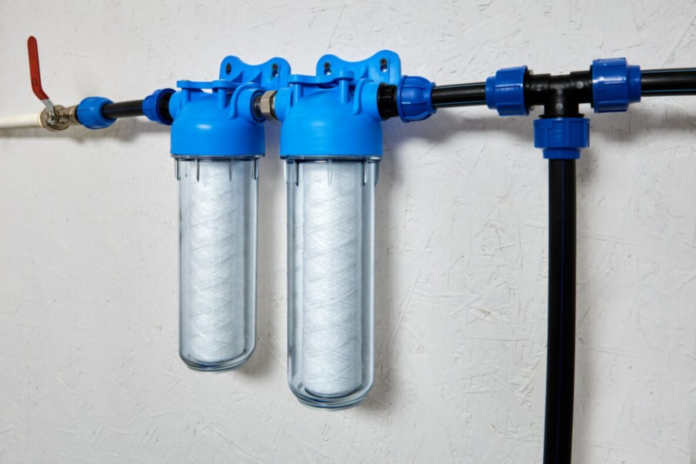
Modern purification systems combine several technologies to accomplish this goal. Sediment filters remove visible particles. Activated carbon absorbs chemical residues. Reverse osmosis membranes eliminate microscopic contaminants.
Together, these processes create a comprehensive treatment approach that addresses a wide range of water quality issues.
And because these systems operate quietly in the background, they provide consistent results without requiring constant attention.
The Emotional Value of Water Confidence
There’s also a psychological dimension to water quality that’s rarely discussed.
When homeowners trust their water supply, they feel more comfortable using it for drinking, cooking, and everyday activities. This confidence reduces background stress and enhances overall peace of mind.
Families can focus on daily routines without worrying about potential contaminants or long-term health effects.
Over time, this sense of reliability becomes part of the foundation of a comfortable home environment.
Small Steps Toward Long-Term Protection
Improving water quality doesn’t require dramatic changes. Many homeowners begin with simple actions: testing their water supply, installing basic filtration units, and gradually upgrading to comprehensive systems.
Once in place, these solutions operate continuously, delivering long-term benefits without disrupting daily routines.
They protect plumbing infrastructure, extend appliance lifespan, and enhance overall home efficiency.
A Home That Supports Health and Comfort
At its core, a home should provide more than shelter — it should create an environment that actively supports well-being.
Clean water plays a central role in achieving this balance. It influences everything from hydration and nutrition to hygiene and household maintenance.
By investing in effective water filtration, homeowners create living spaces that feel safer, more reliable, and more comfortable.
The Quiet Power of Better Water
Perhaps the most remarkable aspect of improved water quality is how seamlessly it integrates into everyday life.
Once filtration systems are installed, they work silently in the background, ensuring consistent quality without demanding attention.
And in the end, that quiet reliability is what makes them so valuable.
Because when water truly becomes clean and safe, it doesn’t just improve what flows from the tap — it transforms how a home feels to live in, making daily life smoother, healthier, and far more reassuring.