
Most homeowners rarely think about their plumbing system until something goes wrong. A slow leak under the sink, cloudy water from the tap, or that unpleasant metallic taste in the shower—these small annoyances often appear quietly and gradually. And yet, beneath the floors and behind the walls, your home’s water system works tirelessly every single day.
It’s easy to overlook. Water flows, drains disappear, and everything seems fine… until it isn’t.
The truth is, protecting your home’s water system isn’t just about convenience. It’s about preserving the integrity of your house, your health, and sometimes even your wallet. Over the years, I’ve spoken with homeowners who learned this lesson the hard way. One friend discovered a small pipe leak only after his hardwood floor started warping. Another realized their tap water contained heavy sediment after a costly appliance repair.
A little prevention, as they say, goes a long way.
Water Quality: The Hidden Story in Your Pipes
Water arriving at your home has already traveled a long journey—from reservoirs or underground sources, through treatment plants, and eventually through miles of municipal piping. By the time it reaches your faucet, it’s technically safe in most places, but that doesn’t mean it’s perfect.
Sediment, minerals, and microscopic debris can still be present. Over time, these particles accumulate in plumbing systems and household appliances. Dishwashers, washing machines, water heaters—none of them appreciate grit in their system.
This is where whole house backwashing filters come into play.
Instead of filtering water at a single faucet or under one sink, these systems treat water as it enters your home. Think of them as a first line of defense, catching sediment, rust, and other contaminants before they ever reach your appliances.
And the clever part? Backwashing filters clean themselves. Rather than replacing cartridges constantly, they periodically flush trapped debris out of the system. It’s a small technological touch that makes a surprisingly big difference in long-term maintenance.
For families living in areas with well water or mineral-heavy municipal supplies, the improvement can be dramatic. Cleaner water, fewer appliance repairs, and better-tasting drinks straight from the tap. Not a bad trade-off.
The Silent Threat of Water Leaks
Now here’s something homeowners often underestimate: the damage caused by tiny leaks.
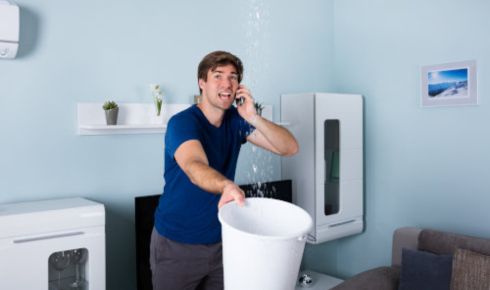
A dripping pipe might seem harmless at first glance. But over time, even a slow leak can cause mold growth, structural damage, and rising water bills. In some cases, leaks remain hidden for months—sometimes years—before anyone notices.
Imagine a pinhole leak behind a wall slowly soaking insulation. Or a cracked pipe beneath a foundation slab quietly eroding the surrounding soil. These situations aren’t rare; plumbers encounter them more often than people think.
This is why modern plumbing systems increasingly incorporate leak detection technology.
Sensors placed near vulnerable areas—water heaters, washing machines, or main supply lines—can monitor for unusual moisture or pressure changes. When something goes wrong, the system alerts the homeowner immediately. Some advanced setups even shut off the water automatically.
It’s one of those technologies that feels almost invisible… until the day it saves your house from thousands of dollars in damage.
Protecting Your Home from Sudden Water Surges
Another plumbing issue that doesn’t get enough attention is water pressure fluctuation.
Municipal systems can experience pressure surges for many reasons: maintenance work, pipe bursts, or sudden demand changes across a neighborhood. When these spikes reach your home, they can stress pipes, loosen fittings, and wear down appliances faster than expected.
That’s where a home protection valve becomes incredibly useful.
Installed near the main water supply, this valve helps regulate and control incoming pressure. If water pressure suddenly spikes beyond safe levels, the valve prevents the surge from traveling through the rest of the plumbing system.
In simpler terms, it acts like a shock absorber for your pipes.
Homeowners who’ve experienced pipe bursts often say the same thing afterward: they wish they had installed pressure protection earlier. A relatively small investment can prevent a very expensive emergency.
A Smarter Approach to Home Plumbing
One of the interesting shifts happening in modern home maintenance is the move toward proactive protection rather than reactive repair.
Years ago, homeowners mostly dealt with plumbing issues only after something broke. Today, people are becoming more aware of how integrated their home systems really are. Water quality affects appliances. Pressure affects pipe longevity. Hidden leaks affect structural health.
When you look at the whole picture, protecting your water system starts to feel less like a luxury and more like a sensible upgrade.
Combining sediment filtration, leak monitoring, and pressure control creates a kind of layered defense for your home’s plumbing. Each component addresses a different risk, but together they form a surprisingly effective protection strategy.
And honestly? Once everything is installed, most homeowners barely notice it day to day. The systems operate quietly in the background, doing exactly what they were designed to do—protecting your home.
The Comfort of Knowing Your Home Is Protected
There’s something reassuring about knowing your home is prepared for problems before they happen. Not in a paranoid way—just in a practical, thoughtful way.
After all, homes aren’t just structures. They’re where families cook meals, take showers after long days, and fill glasses of water for kids before bedtime. Water flows through nearly every daily routine.
Making sure that water is clean, controlled, and safe feels like a simple form of care for the place you live.
So the next time you turn on the tap or start the washing machine, take a moment to think about the system working quietly behind the scenes. Because sometimes the most important home improvements are the ones you never have to notice at all.