There was a time when most people never questioned their water. If it looked clear and came out of the tap without a strange smell, that was usually good enough. But things have changed a bit over the years. Homeowners ask more questions now. They read water quality reports, compare filtration systems online, and suddenly find themselves watching videos about iron bacteria at 11 PM like it’s somehow become a hobby.
Maybe it’s because people are paying closer attention to health. Maybe it’s the rise in well-water usage in some areas. Or maybe we’ve simply realized that water affects daily life more than we used to think.
Whatever the reason, clean and reliable water has become a bigger conversation — and honestly, it probably should’ve happened sooner.
Water Problems Don’t Always Announce Themselves Loudly
The tricky thing about water quality is that problems are often subtle at first. A faint metallic taste. A sulfur smell that comes and goes. Orange stains near drains. Dry skin after showers. Sometimes homeowners adjust to these issues so gradually they stop noticing them altogether.
But those small signs usually point toward something happening beneath the surface.
Different regions deal with different challenges. Some homes struggle with hard water minerals. Others face bacteria concerns, sediment buildup, excess chlorine, or naturally occurring contaminants from well systems. It’s rarely identical from one property to another, which is why generic advice online doesn’t always help much.
That’s where tailored water treatment solutions start making a real difference. Instead of treating every household the same way, modern systems can target very specific water quality problems based on testing and actual usage patterns.
And honestly, that customized approach matters more than flashy marketing claims.
Technology Has Quietly Improved a Lot
Water treatment equipment used to feel overly industrial or complicated. Big tanks in basements. Confusing controls. Maintenance schedules nobody understood.
Today’s systems are often smaller, smarter, and far easier to manage.
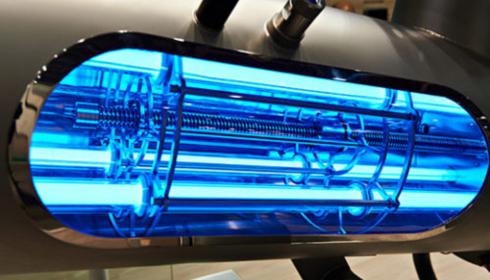
One example is the growing popularity of UV light systems for residential water purification. These systems use ultraviolet light to neutralize bacteria, viruses, and other microorganisms without relying heavily on added chemicals. For homeowners using private wells, especially in rural areas, that added layer of protection can provide real peace of mind.
What people tend to like about UV treatment is its simplicity. There’s no dramatic taste change, and the process itself feels fairly clean and straightforward. Water passes through the chamber, the UV light does its work, and life goes on.
Of course, no single treatment method solves every issue. UV systems work best when paired with proper filtration because cloudy or sediment-heavy water can interfere with effectiveness. That detail gets overlooked surprisingly often.
Some Water Requires More Advanced Treatment
Not all water problems can be solved with basic filters or softeners. Certain situations need a more targeted approach, especially when dealing with iron, sulfur odors, pH imbalance, or bacterial contamination.
That’s where chemical injection systems sometimes come into play. While the name sounds intimidating, the concept is fairly practical. These systems introduce controlled amounts of treatment chemicals into the water supply to address specific problems before the water moves through additional filtration stages.
For example, some systems inject chlorine or hydrogen peroxide to eliminate sulfur smells or bacteria. Others help neutralize acidity that could slowly damage plumbing over time.
People occasionally hear “chemical treatment” and assume it must be harsh or unsafe, but properly calibrated systems are designed carefully for residential use. In many cases, the treatment chemical itself doesn’t even remain in the final water supply because later filtration stages remove it.
Still, this is definitely one of those areas where professional guidance matters. Guesswork rarely ends well when dealing with water chemistry.
Maintenance Is Part of the Deal
One thing nobody really talks about enough is that water treatment systems aren’t magic boxes you install once and forget forever. They need attention from time to time.
Filters eventually clog. UV bulbs require replacement. Chemical tanks need monitoring. Water conditions can even shift slightly throughout the year depending on rainfall, drought conditions, or local infrastructure changes.
The good news is that modern systems are generally easier to maintain than older setups. Some even include monitoring features or reminders that make upkeep fairly manageable for homeowners.
Still, people often underestimate how important regular maintenance is. A neglected filtration system can become far less effective over time, even if everything outwardly seems normal.
The Small Comforts Matter Too
Clean water affects daily routines in quiet ways people don’t always appreciate until things improve. Better tasting coffee. Softer laundry. Clearer ice cubes. Showers that don’t leave skin feeling dry and itchy afterward.
These aren’t life-changing moments individually, but together they shape how comfortable a home feels.
And honestly, there’s something reassuring about knowing your water has been thoughtfully treated instead of simply assumed to be fine.
Final Thoughts
Water treatment isn’t about fear or overcomplication. It’s about understanding the quality of the water your household depends on every single day.
The right system for one home may not make sense for another, which is why proper testing and realistic expectations matter so much. Some homes need simple filtration. Others benefit from advanced purification methods or targeted treatment strategies.
At the end of the day, cleaner water supports healthier homes, longer-lasting plumbing, and a little more confidence in the basics we rely on constantly. And sometimes, improving the basics makes a bigger difference than people expect.