
You ever pour yourself a glass of water, take a sip, and wonder—what exactly am I drinking? Yeah, same. In today’s world, where we’ve got smart everything—phones, fridges, even thermostats—our water setup at home shouldn’t lag behind. Clean, safe water isn’t just a nice-to-have anymore; it’s a non-negotiable part of daily health. But with so many systems and services floating around, figuring out what works best can feel a bit like standing in front of a hundred brands of toothpaste at the supermarket.
Let’s untangle the noise. This isn’t about pushing gadgets. It’s about understanding what smart water management really means for modern living—and how you can simplify things without compromising on quality.
It All Starts at the Tap: Why Water Quality Still Matters
You’d think with all the advances we’ve made, clean water would be a solved problem. But nope—tap water quality still varies wildly depending on your region. From hard water issues to residual chlorine and heavy metals, many homeowners are still dealing with water that doesn’t look, smell, or taste right. That’s where drinking water systems step in. These aren’t your grandma’s under-the-sink filters. We’re talking reverse osmosis units, carbon block filters, UV disinfection systems—the works.
But choosing one isn’t as simple as grabbing whatever has the most stars on Amazon. You need to consider your specific water source, household usage, and maintenance tolerance. Not to mention, there’s something kind of liberating about knowing every glass of water you pour is free from junk. No second-guessing. No weird aftertaste.
Welcome to the Age of Smart Monitoring (Yes, Even for Water)
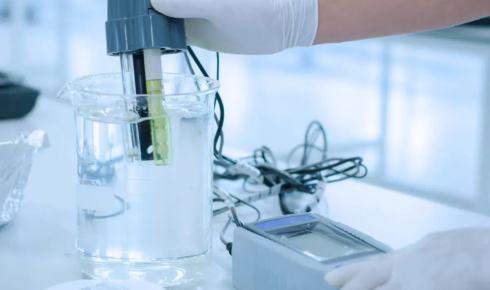
Okay, so you’ve got a decent water system. Great! But how do you know it’s actually doing its job 24/7? Enter the techy side of things. Smart water monitoring is like giving your water a Fitbit. These tools track everything from water usage patterns to leak detection to real-time quality measurements. Some even send alerts straight to your phone if something’s off—like a pressure drop, a slow-growing leak, or filter degradation.
Think of it like this: instead of waiting until something breaks, you get ahead of the problem. It’s not just about saving water; it’s about protecting your home and your health without constantly playing plumber. These devices are low-key but powerful, and they give you that rare peace of mind that’s hard to put a price on.
Salt: The Unsung Hero of Soft Water
Let’s talk about a little household chore that doesn’t get enough credit—refilling the salt in your softener. If you live in a hard water area, you know the struggle: crusty faucets, spotty dishes, stiff laundry. Softening systems work wonders, but they need regular salt to keep doing their thing.
That’s where a salt delivery service becomes kind of a game changer. You’re no longer lugging 40-lb bags through the store, down the stairs, into the basement, and hoping you didn’t spill half of it on your shoes. Companies now deliver the right salt, at the right time, often even refilling the system for you. It’s one less thing to think about—and honestly, that kind of convenience starts to add up when your to-do list is already a mile long.
The True Cost of Doing Nothing
Now, you might be thinking, “Do I really need all this?” Totally fair question. But let’s break it down. Ignoring water quality and system maintenance doesn’t just affect your coffee or laundry. It impacts plumbing longevity, appliance efficiency, even your skin and hair health. Over time, hard water buildup can wreck your pipes, make your water heater overwork (hello, energy bill), and wear down expensive appliances faster than you’d expect.
Then there’s the health angle. Contaminants in unfiltered or unmonitored water might be invisible, but their effects sure aren’t. From gastrointestinal issues to long-term exposure risks, it’s just not something to roll the dice on.
Real Stories, Real Shifts
A friend of mine—let’s call him Raj—used to swear he didn’t “need all that fancy stuff.” Then he moved into a house with old pipes. The tap water was technically “safe,” but it had this odd metallic tang. After months of putting up with it, he finally installed a full-on drinking water system and added smart monitors. His words: “I should’ve done this on day one.”
What changed? His morning tea didn’t taste like rust. His kid stopped getting rashes that mysteriously appeared after baths. And when a leak started behind the water heater, his smart monitor caught it before it soaked through the drywall. Saved him a fortune.
It’s Not About Tech. It’s About Ease.
This isn’t about turning your home into a sci-fi movie set. It’s about creating a water setup that works silently in the background—protecting your home, improving your health, and simplifying your life. Think of it as outsourcing the stress. You’ve got better things to do than worry about contaminants, mineral buildup, or refilling salt tanks every third weekend.
Wrapping It Up: Make Water Work for You
Clean water should never be complicated. But if you want it to be consistently safe, taste good, and not destroy your appliances? Then yeah, you need more than just good plumbing. Whether it’s upgrading to reliable drinking water systems, installing a little smart water monitoring, or signing up for a hands-free salt delivery service, these steps aren’t luxuries—they’re investments in sanity.
And here’s the thing: once it’s set up, you won’t even think about it. You’ll just live better. Isn’t that what all good tech should do anyway?