
Most people don’t think much about water until something feels off.
Maybe the shower leaves your skin dry no matter how much lotion you use. Maybe dishes come out cloudy even after a full dishwasher cycle. Or maybe your tap water suddenly starts tasting a little strange one week and you can’t quite ignore it anymore.
The funny thing is, water problems usually creep in quietly. They don’t announce themselves dramatically. Instead, they show up in tiny everyday frustrations that slowly become normal — until one day you realize they probably shouldn’t be.
That realization is exactly why more homeowners are starting to pay closer attention to the quality of water flowing through every corner of their house.
Water Affects More Than Just What You Drink
People often assume water quality only matters when it comes to drinking water. But honestly, the impact goes much further than that.
The same water running through your kitchen faucet also touches your clothes, appliances, dishes, pipes, hair, and skin every single day. If it contains excess minerals, sediment, or chemical traces, your entire house feels it over time.
Hard water buildup inside appliances can shorten their lifespan. Soap becomes harder to rinse off. Laundry loses softness. Faucets develop stubborn white stains that somehow return immediately after cleaning them.
None of these things are life-changing on their own. But together? They create a constant low-level annoyance most homeowners eventually grow tired of dealing with.
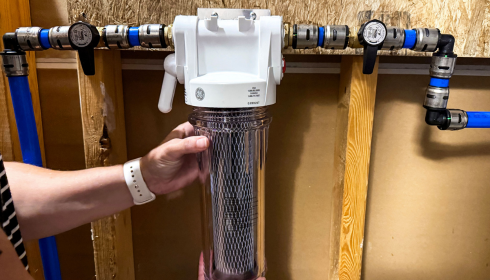
That’s one reason whole house filtration systems have become far more common in recent years. Instead of filtering water at just one faucet, these systems work at the main supply line, helping improve water quality throughout the home.
And honestly, people often notice the difference faster than they expect.
Cleaner Water Creates Small Everyday Improvements
One of the interesting things about upgrading water quality is how subtle the benefits feel at first.
Your morning shower feels softer somehow. Coffee tastes cleaner. Towels don’t feel as stiff after washing. Even your glassware starts looking clearer without those annoying water spots clinging to everything.
It’s not usually dramatic. More like your house quietly functioning better in the background.
A friend of mine once described it perfectly after installing a filtration system. He said, “Nothing felt revolutionary… but everything became slightly less irritating.”
That pretty much sums it up.
When water quality improves, homeowners often stop noticing certain daily frustrations because those frustrations simply disappear.
Testing First Makes More Sense Than Guessing
One mistake people make is buying expensive systems before actually understanding what’s in their water.
That’s a little like buying prescription glasses without checking your eyesight first.
Different homes have different water conditions depending on geography, plumbing materials, municipal treatment methods, or private well systems. Some houses struggle with chlorine taste. Others deal with iron, sulfur smells, or excessive hardness.
That’s why proper water testing matters so much before choosing any treatment solution.
A good water analysis helps homeowners avoid wasting money on systems they may not even need. It also gives a clearer picture of whether the concern is cosmetic, practical, or health-related.
And honestly, sometimes the results surprise people.
Water that looks perfectly clean can still contain minerals or contaminants affecting taste, odor, or appliance performance. On the flip side, slightly discolored water isn’t always dangerous — though it definitely deserves investigation.
Either way, testing removes guesswork, which is always a smart place to start.
Installation Isn’t Always as Complicated as People Expect
A lot of homeowners avoid upgrading water systems because they imagine weeks of plumbing work and massive disruption.
In reality, modern installation processes are often much simpler than people expect, especially when handled by experienced professionals. Some systems can be integrated within a single day depending on the setup and the condition of existing plumbing.
Of course, every home is different.
Older houses sometimes need additional adjustments, particularly if plumbing hasn’t been updated in decades. But even then, most professionals can design solutions around existing systems without turning the entire house upside down.
The bigger challenge usually isn’t the installation itself — it’s deciding which setup actually fits the household’s needs.
Some families only need sediment and chlorine reduction. Others benefit from water softening combined with carbon filtration. Homes using private wells may require entirely different approaches than properties connected to city water supplies.
There’s no one-size-fits-all answer, which is probably why consulting someone knowledgeable helps more than endlessly reading conflicting advice online.
Maintenance Is the Unexciting Part That Really Matters
Nobody gets excited about replacing filters.
Still, maintenance quietly determines whether a system continues performing properly year after year. Ignoring filter changes or system inspections eventually reduces effectiveness, sometimes without obvious warning signs.
The good news is that most systems today are fairly manageable. Many homeowners simply follow scheduled filter replacements every few months and occasional servicing recommendations.
And once it becomes part of the household routine, it’s honestly not much different than maintaining an HVAC system or changing smoke detector batteries.
A Home Feels Different When the Basics Improve
That’s probably what surprises people most.
Better water doesn’t completely transform your life overnight. But it improves dozens of tiny experiences that happen every day — cooking meals, showering, washing clothes, filling a glass from the sink at midnight.
Those little moments add up.
And maybe that’s why homeowners are paying more attention to water quality now than they used to. Not because it’s trendy, but because comfort matters. Health matters. Peace of mind matters too.
At the end of the day, your home should feel like a place that supports your daily life, not one that quietly creates extra problems in the background.
Sometimes improving the water is one of the simplest ways to make that happen.