
There’s a moment most of us have had — you fill a glass from the kitchen tap, take a sip, and pause. Not because it’s terrible. Just because it’s… not great. Maybe there’s a faint chlorine note. Maybe it tastes flat. Maybe you can’t quite describe it, but you instinctively reach for a slice of lemon to “fix” it.
Water shouldn’t need fixing.
We drink it every day. We use it to brew coffee, cook pasta, rinse vegetables, mix baby formula. It’s one of the most constant elements in our lives — and yet we rarely question its quality unless something feels off.
Lately, more homeowners are starting to pay attention. Not out of panic. Not because of headlines. But because once you realize water can taste and feel better, it’s hard to un-know that.
Why Tap Water Sometimes Falls Short
Municipal water systems do important work. They remove harmful contaminants and make water safe for public consumption. But “safe” doesn’t always mean ideal. Chlorine is often added to disinfect. Trace minerals and sediments can remain. Aging pipes may influence taste in certain neighborhoods.
For many households, the water isn’t dangerous — it’s just uninspiring.
And over time, that uninspiring taste changes habits. You buy bottled water. You add flavoring packets. You install bulky pitchers in the fridge. It becomes a workaround culture instead of a solution.
That’s usually when people start exploring more permanent options, like under-sink drinking systems. These compact filtration units are installed beneath the kitchen sink and treat water at the point of use. Instead of filtering every faucet in the house, they focus specifically on what you drink and cook with.
It’s targeted, efficient, and surprisingly discreet.
The Difference You Can Actually Taste
The first time you try filtered water from a dedicated system, it can be subtle — but noticeable. The metallic undertone disappears. The chlorine scent fades. Coffee tastes cleaner. Even tea feels smoother.
It’s not about chasing perfection; it’s about achieving better taste without effort.
When water tastes good straight from the tap, you naturally drink more of it. Kids refill their bottles without complaint. Guests don’t ask for bottled water. You stop buying cases of plastic bottles that clutter your pantry and recycling bin.
There’s a quiet satisfaction in that. It’s a small lifestyle shift that feels intentional.
What These Systems Actually Do
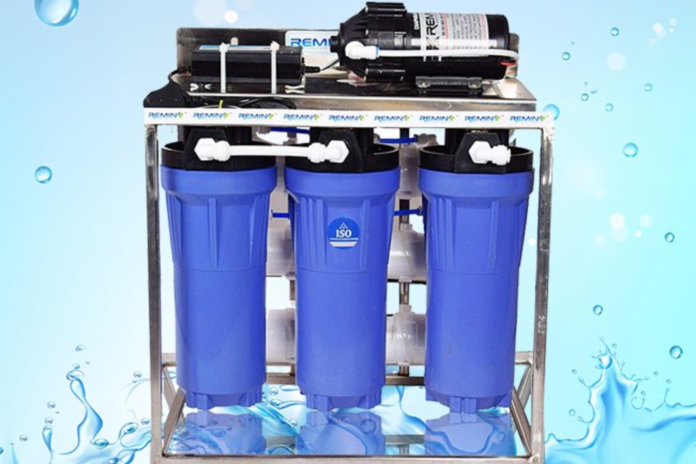
Most under-sink systems use multi-stage filtration. A common setup includes sediment filters to capture particles, carbon filters to reduce chlorine and odors, and sometimes advanced membranes to remove dissolved solids.
The goal isn’t to strip water of everything — it’s to remove what doesn’t belong while keeping what’s beneficial. It’s a balance.
Some homeowners worry that filtration will eliminate essential minerals. In most cases, especially with carbon-based systems, that’s not how it works. The system is designed to enhance quality, not sterilize it into something unnatural.
The result is purified water that feels lighter, cleaner, and more consistent in flavor. It’s the kind of water you don’t think twice about — which is exactly the point.
The Hidden Benefits Beyond Taste
Improved flavor is often what convinces people to install a system. But the advantages don’t stop there.
Filtered water can reduce sediment that might otherwise settle in kettles and coffee makers. Ice cubes become clearer. Cooking flavors feel more accurate, especially in delicate dishes like soups or rice.
There’s also the environmental angle. If you replace bottled water with a home filtration system, you’re cutting down on plastic waste significantly. It’s one of those rare upgrades that benefits both your household and the planet without requiring daily effort.
And financially? Over time, the cost of bottled water far exceeds the investment in a quality filtration system. What feels like convenience at the store becomes unnecessary once your tap water meets your standards.
Maintenance Isn’t Complicated
One common hesitation is upkeep. People imagine constant filter changes or complex servicing. In reality, most systems require filter replacements every six to twelve months, depending on usage and water conditions.
It’s a straightforward process. Twist, replace, reset. Done.
And because these systems are tucked away under the sink, they don’t interfere with your kitchen aesthetics. No bulky countertop machines. No pitchers taking up fridge space. Just a small dedicated faucet that delivers clean water on demand.
Choosing What’s Right for Your Home
Not all water conditions are the same. Some regions struggle more with chlorine taste. Others have higher sediment levels. That’s why it’s smart to start with a basic water analysis before choosing a system.
Understanding what’s actually in your water helps you select the right filtration approach. A simple carbon filter might be sufficient. In other cases, a more advanced system could make sense.
The key is not to overcomplicate it. Focus on your priorities. If taste is your main concern, choose a system designed for that. If you’re also concerned about dissolved solids, look at additional filtration stages.
It doesn’t have to be overwhelming.
The Subtle Upgrade You’ll Notice Every Day
Home improvements often focus on what’s visible — new countertops, fresh paint, upgraded appliances. Water filtration doesn’t show up in photos. It won’t impress visitors at first glance.
But you’ll notice.
You’ll notice when your morning coffee tastes smoother. When your pasta cooks without that faint mineral edge. When your kids drink more water without prompting.
It’s a quiet upgrade. The kind that blends into daily life and improves it gently, almost invisibly.
In the end, improving your home’s drinking water isn’t about chasing trends. It’s about refining something fundamental. Water is part of nearly every meal, every routine, every day.
And when it tastes clean, fresh, and balanced straight from your own tap, you realize — this is how it should’ve been all along.