
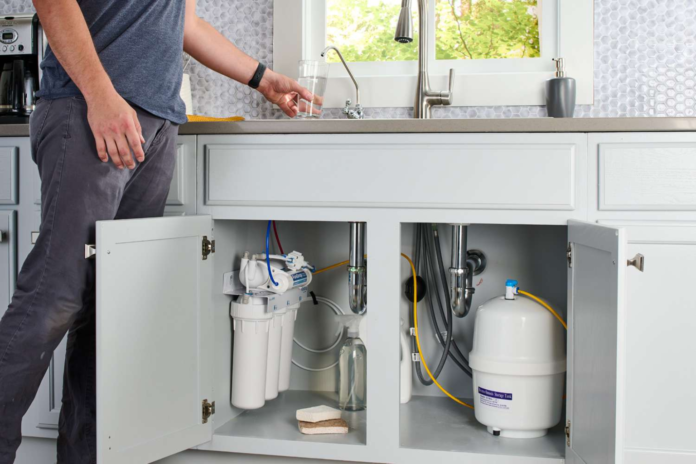
Most of us trust the water that flows from our taps without thinking twice. It looks clear, it smells fine, and it’s always there when we need it. But every now and then, a small moment makes us pause — maybe a faint metallic taste in your tea, or a cloudy look when you fill a glass in the morning.
That pause usually leads to a quiet question: what’s actually in this water?
It’s a simple question, yet surprisingly few people ever investigate it. Water quality often stays invisible until something feels noticeably wrong. And by then, issues may have been present for months — sometimes years — quietly affecting health, plumbing systems, and overall comfort.
Testing water is one of those small steps that can have a surprisingly big impact.
Why Water Quality Isn’t Always Obvious
Here’s the tricky part about water — many contaminants are invisible.
You can’t see dissolved minerals. You can’t smell heavy metals. Even certain bacteria and chemical residues can exist without changing the water’s appearance.
Municipal water systems follow safety standards, but those standards don’t always reflect individual household conditions.
Pipes inside homes, regional geology, and local infrastructure can all influence water composition.
So while the source water may meet regulations, what arrives at your faucet might still vary.
The Growing Importance of Understanding Your Water
More homeowners are beginning to realize that water quality isn’t just a technical concern — it’s a lifestyle factor.
Water touches nearly every part of daily life.
It affects how food tastes, how skin feels after a shower, and how efficiently appliances operate.
Mineral-heavy water can leave scale inside pipes. Chlorine can alter taste. Sediment can reduce system efficiency.
These aren’t dramatic problems, but they’re persistent ones.
Understanding water composition allows homeowners to make informed decisions about treatment and maintenance.
What Professional Testing Can Reveal
Professional water testing services offer insights that basic home kits often miss.
While DIY kits provide quick estimates, comprehensive testing analyzes a broader range of factors.
These may include hardness levels, chemical disinfectants, sediment concentration, and potential contaminants.
The results provide a detailed snapshot of water quality — not just whether it’s safe, but how it performs in everyday use.
For many households, this information becomes the foundation for improving water systems.
Why Independent Testing Builds Trust
One of the most reliable ways to assess water quality involves third-party lab water testing.
Unlike in-house evaluations, independent laboratories provide unbiased results based on standardized methods.
This objectivity is especially valuable when homeowners want accurate data before investing in filtration or treatment systems.
Independent testing also ensures consistency, allowing comparisons over time.
When results come from a neutral source, homeowners can feel confident in their decisions.
How Water Testing Influences Treatment Choices
Once testing results are available, they often reveal patterns homeowners didn’t expect.
Some may discover high mineral levels causing appliance wear. Others might find elevated chlorine concentrations affecting taste.
These insights allow treatment solutions to be tailored precisely.
Instead of installing unnecessary equipment, homeowners can focus on addressing specific concerns.
This targeted approach often leads to better performance and lower long-term costs.
The Role of Community Water Access Points
Beyond household systems, public access points also play a role in water quality.
Many communities rely on facilities such as a water fill up station to provide purified drinking water.
These stations typically use advanced filtration technologies to remove impurities and improve taste.
For individuals without home treatment systems, they offer a convenient alternative to bottled water.
They also reduce plastic waste while ensuring consistent water quality.
How Regular Testing Supports Long-Term Maintenance
Water composition isn’t static.
Seasonal changes, infrastructure updates, and environmental conditions can all influence water quality over time.
Periodic testing helps homeowners detect changes early.
For example, increased sediment levels may signal pipe deterioration. Rising mineral content could indicate shifting groundwater conditions.
Regular monitoring allows proactive maintenance rather than reactive repairs.
The Psychological Comfort of Knowing Your Water
There’s also an emotional benefit to water testing that often goes unspoken.
Knowing exactly what’s in your water provides peace of mind.
It eliminates uncertainty and replaces it with clarity.
Families with young children or elderly members often find this reassurance especially valuable.
Clean water becomes not just a technical achievement, but a source of everyday confidence.
Environmental Benefits of Water Awareness
Testing water can also influence environmentally responsible choices.
When homeowners understand their water quality, they’re less likely to rely on bottled water unnecessarily.
This reduces plastic waste and lowers environmental impact.
Informed decisions often lead to sustainable practices.
Why Water Quality Awareness Is Growing
In recent years, awareness of water quality has increased significantly.
News reports about infrastructure challenges and environmental concerns have prompted more people to pay attention to their water.
Technology has also made testing more accessible and affordable.
As information becomes easier to obtain, homeowners are taking a more proactive approach.
Water quality is shifting from an afterthought to a priority.
Small Steps That Make a Big Difference
Testing water doesn’t require major changes or complicated processes.
It starts with curiosity — noticing small signs, asking questions, and seeking reliable information.
From there, solutions can be implemented gradually.
Sometimes improvements are as simple as installing targeted filtration. Other times, they involve broader system upgrades.
Either way, knowledge becomes the first step toward better water.
Final Thoughts: Understanding Water Is Understanding Daily Life
Water flows through nearly every aspect of daily living, often without notice.
Yet its quality influences health, comfort, and efficiency in subtle but meaningful ways.
Testing water provides clarity — not just about safety, but about optimizing everyday experiences.
Because when you truly understand your water, you’re not just improving what you drink.
You’re improving how you live with it — every single day.