
There’s a moment that many homeowners experience without really noticing it at first. You step outside after being indoors all day, take a deep breath, and suddenly the air feels lighter — cleaner somehow. It’s subtle, but enough to make you pause and think, why doesn’t it always feel this fresh inside?
That quiet realization often marks the beginning of a bigger awareness. The environment inside our homes affects us far more than we tend to acknowledge. We spend most of our lives indoors — sleeping, working, relaxing — yet the quality of that environment often goes unnoticed until something feels off.
Comfort isn’t just about temperature anymore. It’s about what we breathe, how efficiently our systems run, and how seamlessly everything works behind the scenes.
Why Indoor Environments Influence Health More Than We Realize
Most people associate home comfort with warmth in winter and coolness in summer. But temperature is only one piece of a much larger puzzle. Air circulation, humidity levels, and pollutant control all play critical roles in shaping indoor living conditions.
When air quality declines, the effects can be surprisingly wide-ranging. People may notice persistent fatigue, difficulty sleeping, or increased allergy symptoms without immediately connecting these issues to their surroundings.
Improving indoor air quality has become a growing priority for many households. Modern solutions focus on reducing airborne contaminants such as dust, pollen, mold spores, and chemical particles.
The benefits often appear gradually. Better sleep. Fewer respiratory irritations. A subtle but noticeable sense of freshness throughout the home.
It’s not always dramatic — but over time, it makes a meaningful difference in everyday comfort.
The Rise of Sustainable Climate Solutions
As awareness of environmental impact grows, homeowners are increasingly exploring energy-efficient climate technologies. Among these, geothermal systems have gained attention for their ability to provide reliable heating and cooling using the earth’s natural temperature stability.
Unlike traditional HVAC systems that rely heavily on external weather conditions, geothermal technology draws energy from underground sources. This allows homes to maintain consistent indoor temperatures while reducing energy consumption.
The long-term benefits are significant. Lower utility costs, reduced carbon footprint, and stable climate control year-round.
While installation requires careful planning, many homeowners find the investment worthwhile due to long-term savings and environmental advantages.
In many ways, geothermal systems represent a shift toward smarter, more sustainable home infrastructure.
The Human Factor Behind Reliable Performance
No matter how advanced climate systems become, their effectiveness still depends heavily on the people who install and maintain them.
Proper setup, calibration, and ongoing maintenance ensure that systems operate efficiently and safely. Even the most sophisticated technology can underperform if it isn’t handled correctly.
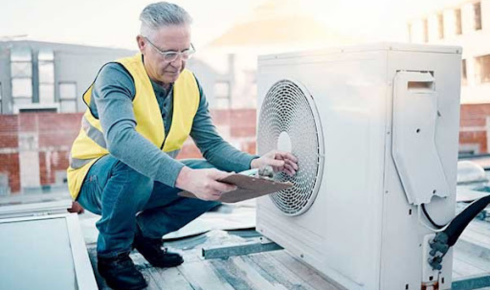
This is where experienced technicians play a vital role. Their expertise allows them to assess airflow patterns, identify potential issues, and optimize system performance.
Homeowners often underestimate the importance of professional maintenance until they encounter unexpected problems. But routine inspections can prevent many issues before they escalate.
Working with skilled professionals provides reassurance that climate systems will continue functioning smoothly over time.
And that reassurance contributes significantly to overall peace of mind.
The Emotional Comfort of a Well-Balanced Home
Beyond technical benefits, there’s an emotional aspect to climate stability that’s often overlooked.
A home with balanced air quality and reliable temperature control feels calm. It supports relaxation, concentration, and restful sleep. It creates an environment where people can unwind without subtle discomforts distracting them.
Conversely, inconsistent conditions — stuffy air, uneven temperatures — can quietly influence mood and energy levels.
Improving indoor environmental quality often leads to a noticeable shift in how a home feels. People may not always be able to explain it, but they sense the difference.
It’s a kind of comfort that works quietly in the background.
Small Steps That Lead to Meaningful Improvements
Enhancing home climate conditions doesn’t always require major system overhauls. Often, simple adjustments can produce noticeable benefits.
Regular filter replacements, improved ventilation, and periodic system maintenance all contribute to healthier indoor environments.
Over time, these incremental improvements create a home that feels consistently comfortable and reliable.
Many homeowners discover that even small efforts toward improving air quality and system efficiency can significantly enhance daily living conditions.
Because comfort often comes from steady attention rather than dramatic changes.
The Growing Importance of Proactive Maintenance
One of the most common mistakes homeowners make is waiting until problems become obvious before addressing them. Unfortunately, by that point, repairs can be costly and disruptive.
Proactive maintenance offers a more effective approach. Regular inspections help identify potential issues early, allowing for timely adjustments that prevent major failures.
Preventive care also improves system efficiency, reducing energy costs while extending equipment lifespan.
For homeowners seeking long-term reliability, this approach provides both financial and practical advantages.
And in many cases, it helps avoid stressful emergencies.
A Thoughtful Ending: Comfort That Works Quietly in the Background
At its core, a truly comfortable home isn’t defined solely by its appearance. It’s shaped by the invisible systems that support daily life.
Clean air circulating naturally.
Stable temperatures maintained efficiently.
Reliable systems functioning without constant attention.
These elements form the foundation of a healthy living environment.
Investing in improved air quality and sustainable climate technologies isn’t about luxury — it’s about creating a home that quietly supports well-being every single day.