
Let’s be honest—most of us take water for granted. We fill our glasses, run the dishwasher, water the garden, and hop into the shower without giving it much thought. But behind those everyday actions lies an unspoken truth: not all water is created equal. And if you’ve ever sipped something metallic from the tap or noticed a strange film on your dishes, you already know what I mean.
In recent years, more folks—homeowners and business owners alike—are waking up to the idea that water quality is about more than convenience. It’s about health, safety, and long-term peace of mind. Whether it’s what you’re drinking, using in your restaurant, or pulling from a private well, water deserves a second look.
Clean Starts at the Sink: Why Drinking Water Deserves an Upgrade
Let’s talk basics. When it comes to what we consume daily, it’s a no-brainer that drinking water systems are one of the most important tools in any home or office. But not all systems are built the same. You’ve got carbon filters, UV light purifiers, reverse osmosis units, and even alkaline boosters now.
Each has its own purpose. Some people want to strip everything out of their water and build it back up with minerals. Others just want to get rid of the chlorine taste. And then there are those living in older buildings or rural areas who worry about contaminants like lead or agricultural runoff.
The good news? There’s a setup for just about every situation. But the key is knowing what you’re up against. If you don’t test your water first, you’re basically playing darts in the dark—might hit the bullseye, might end up filtering stuff that’s not even there.
Wells Run Deep: The Truth About Private Water Sources
Now, let’s take a stroll into the countryside—or even the suburban edge—where many homes rely on their own private wells. Sounds rustic, right? But with independence comes responsibility, and well water treatment isn’t something you can afford to ignore.
Well water isn’t regulated by municipal testing, which means what comes out of that tap is entirely your responsibility. Depending on where you live, you could be dealing with iron, sulfur (hello rotten-egg smell), nitrates, hard minerals, and even bacteria.
Treating well water usually involves a combination of sediment filters, softeners, and sometimes UV or chlorination systems. And don’t forget maintenance—if your filters are clogged or your UV lamp is out, you’re basically inviting contaminants to a dinner party you didn’t plan.
I’ve seen people spend thousands on fancy kitchen gadgets while completely ignoring their well water system. That’s like polishing the rims on a car that hasn’t had an oil change in three years.
When It’s Business, Not Personal: Water in the Commercial World
Water’s not just a household issue. In restaurants, gyms, factories, and offices, water touches every part of the customer and employee experience. Think about it—nobody wants a chalky espresso or a cloudy ice cube. This is where commercial water systems come in.
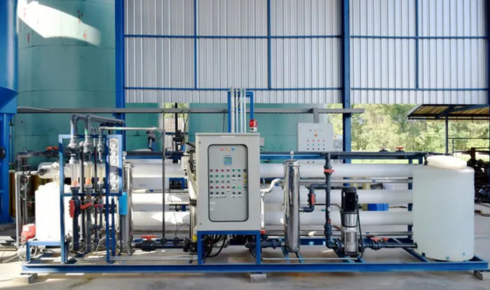
These setups go beyond simple filters. We’re talking high-capacity softeners, massive reverse osmosis units, and monitoring systems that make sure everything’s running smooth 24/7. Whether you’re making coffee or running industrial equipment, water quality affects your brand and your bottom line.
And just like at home, it’s not one-size-fits-all. A bakery with steam ovens has different needs than a brewery. A gym shower system? Totally different animal. But if there’s one universal truth, it’s this: bad water costs money. In wear and tear, in reputation, in lost customers.
The Cost of Doing Nothing
A lot of people hear “water system” and immediately imagine dollar signs. But here’s the thing—doing nothing often costs more in the long run. Limescale ruins appliances. Hard water dries out skin and hair. Contaminants, if left unchecked, can lead to costly health issues or even lawsuits in a business setting.
Meanwhile, water systems have come a long way. They’re quieter, sleeker, smarter. Some even connect to your phone and tell you when it’s time to change a filter. And while there’s always an upfront cost, many systems pay for themselves in extended appliance life, lower energy bills, and plain ol’ peace of mind.
You wouldn’t drive your car for 10 years without checking the oil. So why treat your water with less care?
How to Make the Right Choice
There’s no single answer to the question, “What water system should I get?” And that’s a good thing. Because your home, your needs, your goals—they’re unique.
Start with a test. If you’re on municipal water, request a report or use an at-home test kit. If you’re on a well, test at least once a year. From there, figure out your priorities. Taste? Safety? Appliance protection?
Do your homework. Ask questions. And if you’re overwhelmed, bring in a professional who isn’t trying to upsell you on a spaceship system for a one-bedroom condo.
Remember, this isn’t just about water—it’s about quality of life.
The Bottom Line: Clean Water, Clear Mind
When it’s all said and done, water is more than just something that flows. It’s a force that moves through every part of our lives—our bodies, our homes, our businesses. And taking care of it? That’s one of the smartest, kindest things we can do for ourselves and the people around us.
So whether you’re sipping from a glass in your kitchen, pulling a latte at your café, or maintaining a rural property off the grid, one thing’s for sure: clean water never goes out of style.