Most people pass through Kathmandu either on the way to a trek or limping back from one, and the city is well set up for the second of those. There is a real tradition of therapeutic massage here, a good deal of Ayurvedic and Tibetan practice, and a surprising number of quiet gardens. Travellers who plan a Kathmandu trip with Traveloka should build in two recovery days deliberately.
Thamel massage, and how to choose
The tourist district has a massage place every few doors and the quality varies enormously. The reliable signal is a posted price list, a named therapist and a clean treatment room rather than a curtain. Expect to pay modestly for an hour. Deep tissue work on legs after a trek is what most of them do best.
Ayurvedic treatment
Several clinics in Patan and in the quieter parts of the valley offer genuine Ayurvedic programmes rather than spa versions: a consultation, oil treatments and dietary advice over several days. These are not a one-hour proposition. Shirodhara, the warm oil poured steadily on the forehead, is the treatment most visitors find unexpectedly effective.
Tibetan medicine
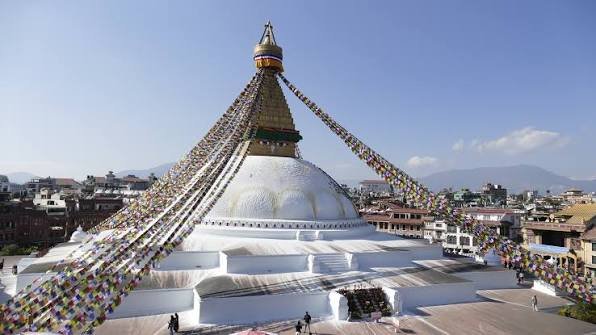
The Tibetan community in Boudha, around the great stupa, supports amchi practitioners working from pulse diagnosis and herbal compounds. It is a different system from Ayurveda and worth understanding as such rather than as an alternative. The clinics are plain, inexpensive and busy with local patients rather than visitors.
The Garden of Dreams
A restored Edwardian garden immediately outside Thamel, walled off from the traffic, with pavilions, a pond and a cafe. The entry fee is small and keeps it quiet. For an afternoon of doing nothing after a long trek it is the single best place in central Kathmandu, and almost nobody staying two streets away knows it exists.
Boudha as a base for rest
Staying out at the Boudhanath stupa rather than in Thamel changes the pace completely: a circular plaza with monasteries around it, pilgrims walking clockwise all day, rooftop cafes and no traffic inside the ring. Twenty minutes from the centre and considerably calmer. The morning and evening circumambulations are worth being there for.
Eating for recovery
Kathmandu has the best variety of food in Nepal, which after two weeks of dal bhat on the trail matters more than it should. Thamel does everything; Boudha does excellent Tibetan and Himalayan food. Drink only treated water, which every guesthouse provides, and go easy on raw salads in the first days back.
Practical notes
Air quality in the valley is poor in the dry season and genuinely bad in winter, which is an argument for Boudha or Patan over the centre. October to November and March to April are the clear months. Tribhuvan airport is twenty minutes from the centre. Traveloka offers the lowest flight prices in the region for the hop in and out.
Book two nights in Boudha at the end of a trek rather than one in Thamel. The city is a better place to recover than to arrive, and the stupa circuit is the easiest walking you will do all trip.