Water is part of almost everything we do. We drink it, cook with it, wash our clothes in it, and rely on it to keep our homes and workplaces running smoothly. Yet it’s easy to take water quality for granted. Most people don’t think much about what’s coming through their taps until they notice an unusual taste, stubborn stains around the sink, or a cloudy glass of drinking water.
These little signs can raise important questions. Is the water safe to use? Are minerals affecting the plumbing? Would a treatment system make a real difference? The answers depend on the water source and the substances it contains. Fortunately, understanding a few basics can help property owners make sensible decisions without spending money on equipment they don’t need.
Why Water Quality Deserves More Attention
Clear water isn’t necessarily perfect water. Some contaminants are visible, while others have no noticeable color, smell, or taste. Minerals, sediment, certain chemicals, and microorganisms can all affect water quality in different ways.
For households using a private well, regular testing is particularly important because conditions can change over time. Even properties connected to a public water supply may experience local plumbing issues or have preferences concerning taste and mineral content.
The aim is to achieve clean safe water that suits its intended use. Drinking water has different requirements from water used for gardening, equipment cooling, or general cleaning. Knowing the difference helps people choose appropriate treatment rather than relying on a single solution for every situation.
A basic water test is often a useful starting point. Depending on the source and any concerns, testing may examine hardness, pH, iron, nitrates, or specific contaminants. If a particular health concern exists, a qualified laboratory can help determine which additional tests are appropriate.
Recognizing the Effects of Hard Water
Have you ever cleaned a bathroom thoroughly, only to find white marks appearing around the taps a few days later? Or noticed that soap seems reluctant to produce a good lather? These common frustrations may be signs of hard water.
Hardness usually comes from dissolved calcium and magnesium. These minerals are naturally present in many water sources, and their concentration varies by region. Although hard water isn’t generally considered a health hazard for most people, it can create practical problems around the house.
Mineral deposits may build up on showerheads, inside kettles, and around plumbing fixtures. In some circumstances, scale can accumulate in water heaters and other equipment, affecting heat transfer and increasing maintenance needs. Soap may also react with hardness minerals, leaving residue on surfaces and fabrics.
A water softener can help when hardness is the main concern. Most conventional softeners use ion exchange to replace calcium and magnesium ions with other ions, commonly sodium. The result is softer water that can reduce scale formation and make cleaning easier.
Still, softening isn’t necessary for every property. Some homeowners prefer to treat only certain parts of the water supply, while others may decide the existing water quality is perfectly acceptable. Testing and understanding household priorities should come before choosing equipment.
Choosing a Treatment Method That Fits
Water treatment isn’t one-size-fits-all. Different systems are designed to address different problems, and selecting the wrong technology can leave the original issue unresolved.
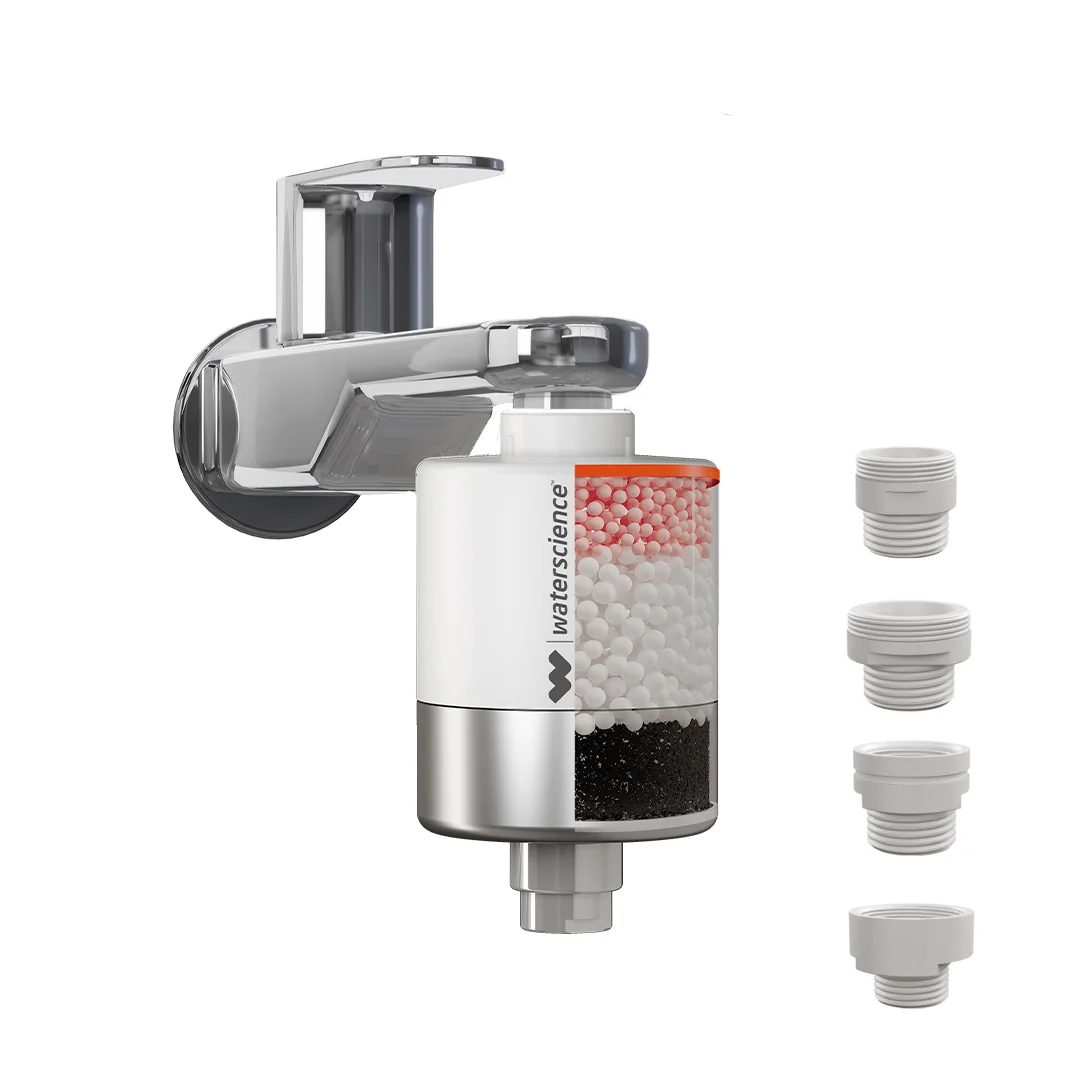
Sediment filters, for instance, can capture particles such as sand, rust, and suspended material. Activated carbon filters may improve taste and odor and reduce certain chemicals, depending on the filter design. Reverse osmosis systems can reduce many dissolved substances, while ultraviolet treatment can inactivate susceptible microorganisms when the equipment is properly selected and maintained.
Effective water filtration starts with identifying what needs to be removed or reduced. A filter advertised for better taste won’t necessarily make water safe from every contaminant. Similarly, a water softener isn’t a substitute for a system designed to address microbiological concerns.
In some homes, a simple under-sink filter may be enough to improve drinking-water taste. A property with well water containing iron, sediment, and hardness minerals may need several treatment stages. Each component should have a clear purpose.
Before purchasing equipment, check the manufacturer’s performance information, the contaminants the system is certified or tested to reduce, its expected flow rate, and the cost of replacement components. These details are more useful than broad promises about producing the purest water possible.
Don’t Overlook the Water Source
The source of your water influences which treatment options make sense. Municipal supplies are generally treated and monitored according to applicable public health requirements, but the condition of household plumbing and the characteristics of the local supply can still affect the water at the tap.
Private wells require a different approach. Their quality can be influenced by nearby agricultural activity, septic systems, flooding, geology, and changes in groundwater conditions. Regular testing helps reveal issues that appearance alone cannot identify.
If water suddenly develops a strong odor, changes color, or tastes noticeably different, investigate rather than assuming a filter will fix everything. Contact the water supplier if you’re connected to a public system, or arrange suitable testing if you use a private well. Sudden changes can have several causes, and identifying the source is an important first step.
Where testing identifies a health-related concern, follow the advice of the relevant water authority or qualified professional. A treatment system should be selected to address the specific problem, not simply because it sounds comprehensive.
Maintenance Is Part of the Solution
Even good equipment needs regular care. Filters eventually become clogged or reach the end of their useful life. Water softeners may need salt replenishment, while ultraviolet systems require attention to lamps and other components according to the manufacturer’s instructions.
Skipping maintenance can reduce performance, increase operating costs, and create a false sense of security. A filter that worked well when first installed may not continue delivering the same results indefinitely.
It’s worth keeping a simple record of installation dates, filter changes, service visits, and water test results. This doesn’t need to become a complicated household project. A note on a calendar can be enough to prevent missed replacements.
Professional servicing may also be worthwhile when a system has several treatment stages or when water quality is especially important. Regular checks can help confirm that equipment is operating as intended and identify problems before they become expensive.
Better Water Begins With Informed Choices
Improving water quality doesn’t always mean buying an expensive system or treating every drop that enters a building. Sometimes the best step is a water test. In other cases, a properly sized softener, a targeted filter, or a more specialized treatment system may offer meaningful benefits.
The key is to match the solution to the actual problem. Understand the source, review reliable test results, compare technologies carefully, and account for maintenance over the life of the equipment.
Water is an everyday necessity, but its quality deserves more than guesswork. With a little attention and the right information, homeowners can make practical improvements, protect important equipment, and feel more confident about the water they use each day.