Most people don’t think much about their plumbing when everything works as it should. Water flows from the kitchen tap, the shower gets warm, and the toilet flushes without a second thought. It’s only when a faucet starts dripping at midnight or a bathroom drain refuses to clear that plumbing suddenly becomes everyone’s concern.
Fortunately, many common plumbing problems can be prevented or addressed before they turn into expensive repairs. A little attention to fixtures, early leak detection, and a few practical upgrades can improve comfort while helping homeowners manage water use more responsibly.
Whether you’re maintaining an older property or making improvements to a recently purchased home, understanding how your plumbing system works can save time, money, and a fair amount of frustration.
The Small Fixtures That Make a Big Difference
Some of the most frequently used parts of a home are also the easiest to overlook. Kitchen sinks, bathroom basins, showers, and toilets work hard every day, yet they rarely receive attention until something stops functioning properly.
Choosing reliable toilets and faucets can make a noticeable difference in both convenience and water efficiency. Modern toilets are available in designs that use less water per flush than many older models, while well-designed faucets can provide a comfortable flow without unnecessary waste. The right choice depends on the plumbing connections, available space, household needs, and local water-efficiency requirements.
Appearance matters, of course. A new faucet can refresh a bathroom or kitchen without requiring a complete renovation. Still, it’s worth looking beyond the finish. Check the quality of the internal components, the availability of replacement parts, the manufacturer’s warranty, and whether the fixture is easy to maintain.
Toilets deserve similar consideration. A unit that flushes effectively while using an appropriate amount of water can support everyday convenience and reduce unnecessary consumption. Before replacing one, measure the available space and confirm that the new model will work with the existing drain and supply connections.
Even good fixtures need occasional attention. Mineral deposits can restrict faucet aerators, worn seals can cause drips, and toilet flappers may deteriorate over time. Cleaning and replacing small components when necessary can often restore performance without requiring a full replacement.
Why Small Leaks Should Never Be Ignored
A dripping faucet may seem harmless, particularly if the water disappears straight down the drain. But even a small leak can waste a surprising amount of water over time. Leaks hidden behind walls or beneath cabinets are more concerning because they may continue for weeks before anyone notices them.
Watch for warning signs such as damp patches, peeling paint, musty smells, warped cabinetry, or unexplained changes in your water bill. A toilet that continues running after a flush may also waste water continuously. These symptoms don’t always reveal the exact source, but they are good reasons to investigate.
Professional leak service & repair can help identify the cause and prevent further damage. Depending on the situation, the problem might involve a worn washer, a loose connection, a damaged supply line, a failing valve, or a leak within concealed plumbing. The correct repair depends on the source rather than the visible symptom alone.
Homeowners can perform a few basic checks safely. Look beneath sinks for moisture, inspect exposed pipes, and listen for water running when all taps and water-using appliances are turned off. If the water meter continues moving under those conditions, there may be a leak somewhere in the system, although certain appliances and automatic systems can affect the result.
More serious signs require prompt attention. If a pipe bursts, water is spreading quickly, or a leak is near electrical equipment, prioritize safety and shut off the appropriate water supply if you can do so safely. Contact a qualified plumber for repairs, especially when the source is hidden or difficult to reach.
Getting Hot Water Without the Long Wait
Few household annoyances are as familiar as turning on a hot water tap and waiting while cold water runs down the drain. This often happens when the fixture is far from the water heater or when the plumbing layout holds a substantial volume of cooled water between uses.
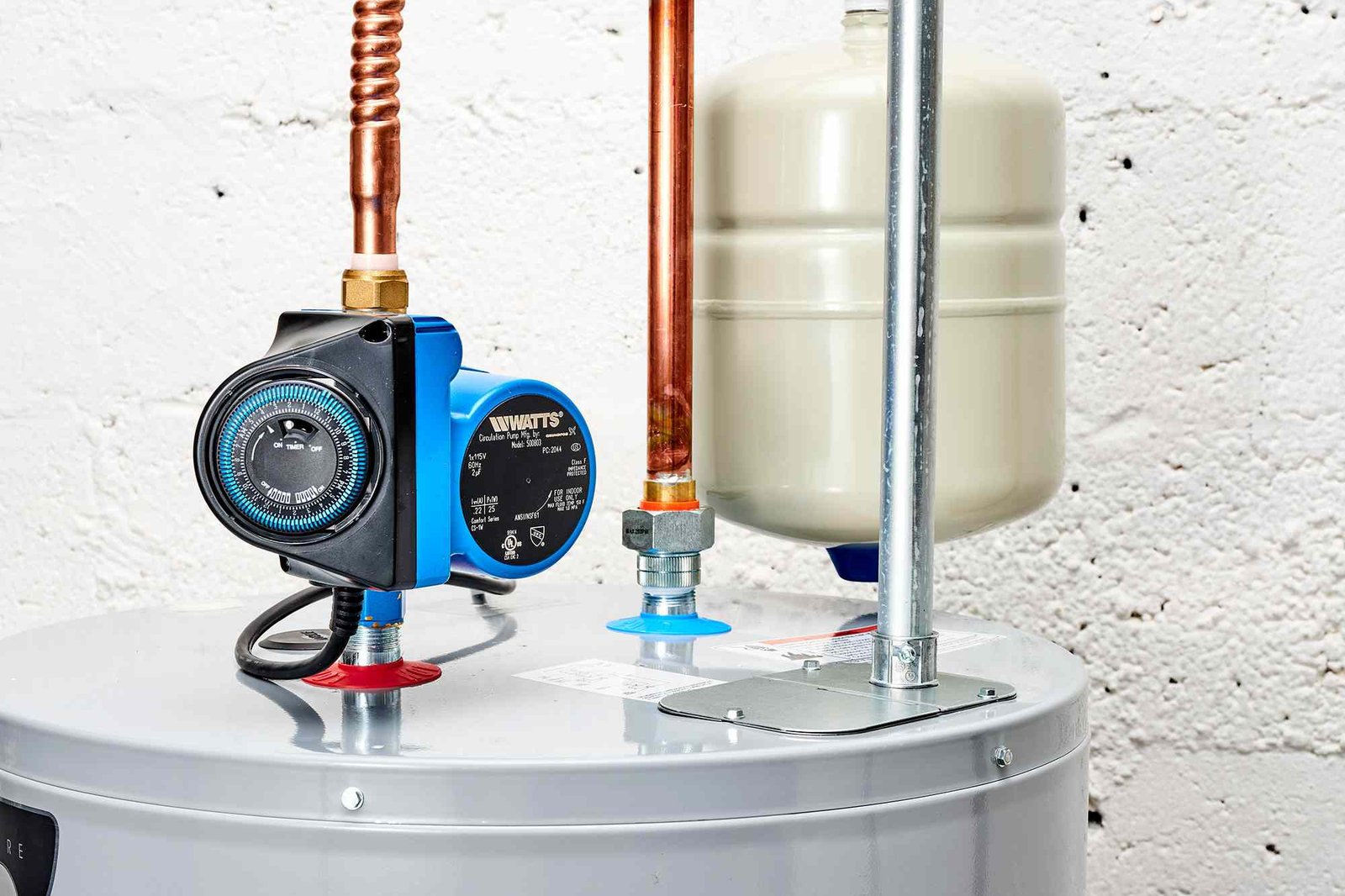
A hot water recirculating pumps system is one possible solution, although the equipment is more commonly described as a hot water recirculating pump or recirculation system. It moves water through a circulation loop so hot water can reach fixtures more quickly, depending on the system’s design.
For households with long pipe runs, this can improve convenience and reduce the amount of water that would otherwise flow away while someone waits for the temperature to rise. The difference may be especially noticeable in homes where bathrooms are located far from the water heater.
However, recirculation isn’t automatically the right upgrade for every property. Some systems operate continuously, while others use timers, temperature controls, or demand-based activation. A continuously running system can increase energy use if heat is lost from poorly insulated pipes. Installation should therefore account for pipe insulation, the existing plumbing layout, pump compatibility, and household routines.
A plumber can help determine whether a dedicated return line or a retrofit arrangement is appropriate. The best choice balances faster hot water delivery with reasonable operating costs and reliable performance.
Maintaining Plumbing Before Problems Grow
Routine maintenance doesn’t need to become a complicated weekend project. A quick monthly look beneath sinks and around visible pipes can help reveal early signs of trouble. Check toilet tanks for continuous running, inspect faucet handles for looseness, and pay attention to drains that begin emptying more slowly than usual.
It’s also wise to understand where the main water shutoff valve is located. In an emergency, knowing how to turn off the supply can limit damage while professional help is arranged. If the valve is difficult to operate or appears corroded, have it inspected rather than forcing it.
Avoid treating every slow drain with harsh chemicals. These products may damage some plumbing materials, and they won’t solve every underlying problem. Hair, grease, foreign objects, and deeper blockages require different approaches. A plunger or suitable drain tool may be enough for a minor obstruction, but recurring clogs deserve further investigation.
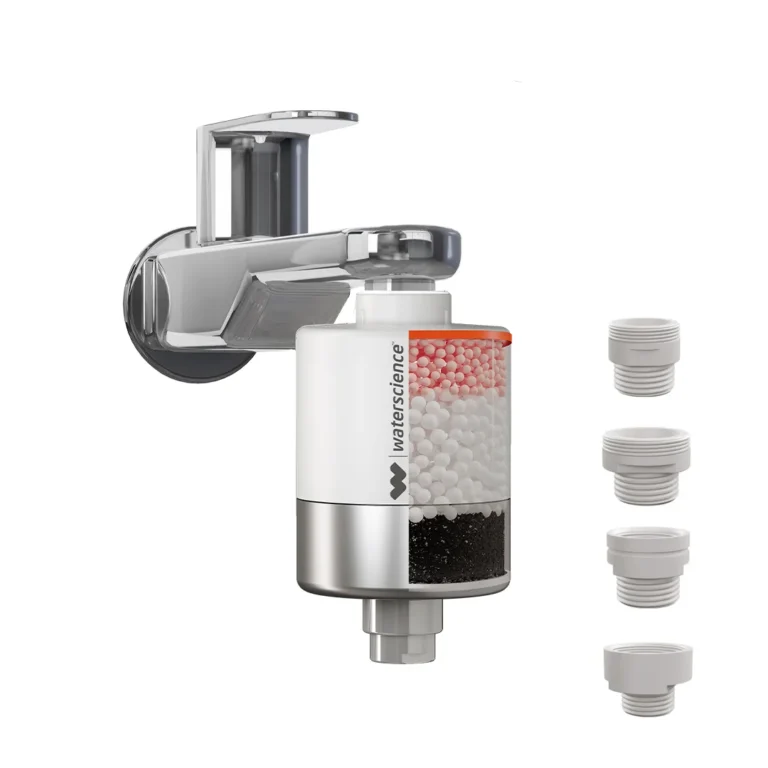
Water quality can influence maintenance needs, too. Hard water may leave mineral deposits on fixtures and contribute to scale inside certain appliances. Cleaning aerators, following equipment maintenance instructions, and testing the water when concerns arise can help homeowners make informed decisions about treatment.
Choosing a Plumber You Can Trust
When repairs or upgrades require professional help, clear communication is essential. Look for a plumber with appropriate licensing or qualifications for your area, relevant experience, and a willingness to explain the proposed work.
Ask for a written estimate that describes the job, expected materials, labor charges, and any possible additional costs. If a fixture needs replacement, confirm whether the quote includes removal of the old unit, installation, testing, and cleanup. These details help avoid misunderstandings once work begins.
A dependable professional should also explain whether a repair is likely to last or whether the underlying equipment is nearing the end of its useful life. Replacing everything isn’t always necessary, but repeatedly repairing a failing component may not be the most economical option either.
Making Your Plumbing Work Better Every Day
A comfortable home depends on dozens of systems working quietly in the background, and plumbing is one of the most important. Reliable fixtures, timely leak repairs, and carefully chosen hot water upgrades can make everyday routines easier while helping prevent avoidable waste.
Start with the basics: watch for leaks, maintain frequently used fixtures, and investigate unusual changes before they become bigger problems. When considering an upgrade, compare the long-term benefits with the installation and operating costs rather than choosing based on price alone.
Good plumbing rarely attracts much attention when it works properly, and that’s exactly the point. With sensible maintenance and the right professional support when needed, your home’s water system can remain dependable, efficient, and ready for everyday life.