A garage floor takes more abuse than most floors in a home. Vehicles bring in heat, water, dirt, and road chemicals, while tools, storage bins, and projects add scratches and impact. Superior Garage Flooring provides professional epoxy garage flooring and polyaspartic coating solutions designed for durable, attractive, low-maintenance surfaces.
Why Epoxy Garage Flooring Makes Sense
Bare concrete may seem practical, but it can absorb stains, collect dust, develop surface damage, and become difficult to clean. Epoxy creates a sealed coating over properly prepared concrete, giving the garage a smoother surface that is easier to maintain.
A professionally installed coating can help a garage handle everyday traffic, oil spills, dropped tools, and routine cleaning without the constant upkeep associated with unfinished concrete.
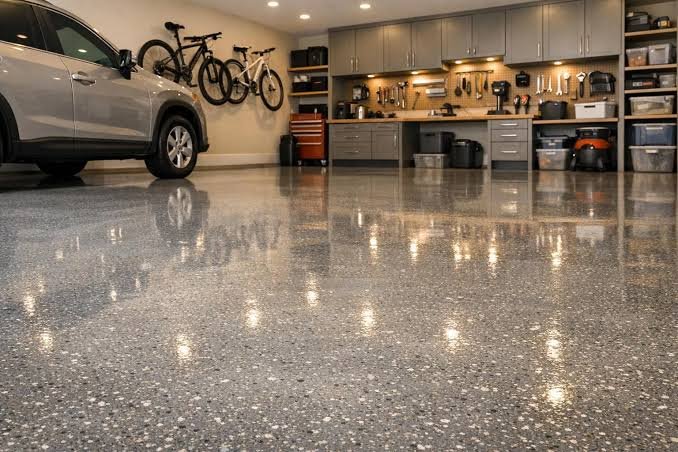
Epoxy also gives homeowners more design flexibility. Depending on the system selected, finishes can include solid colors, decorative flakes, or metallic effects.
What Makes a Garage Floor Coating Durable?
The durability of epoxy flooring depends on more than the product poured onto the concrete. The condition of the slab, surface preparation, coating thickness, application technique, curing conditions, and protective topcoat all influence the final result.
Before installation, consider these important factors:
- Concrete condition: Cracks, pits, moisture concerns, and damaged areas should be identified before coating.
- Surface preparation: The concrete needs a suitable profile so the coating can bond securely.
- Coating system: Different spaces may require different layers and performance characteristics.
- Topcoat protection: A compatible protective layer can add resistance to wear, chemicals, sunlight, and everyday abuse.
- Curing time: The floor needs adequate time before vehicles and heavy equipment return.
This is why a garage floor should not be evaluated by color or gloss alone. A beautiful coating installed over poorly prepared concrete may not deliver the long-term performance a homeowner expects.
Epoxy vs. Polyaspartic Garage Flooring
Epoxy is a popular choice because it offers a strong, seamless surface with a polished appearance and practical resistance to stains and wear. It can be a good fit for homeowners who want dependable performance without giving up design options.
Polyaspartic coatings are another option, particularly where faster curing and strong UV resistance are priorities. In hot, sunny climates, UV stability matters because prolonged exposure can affect the appearance and performance of some flooring systems.
The right choice depends on how the garage is used, how much sunlight reaches the slab, desired installation time, budget, and expected traffic. Compare the system’s properties with the conditions it will face.
Design Ideas That Make the Garage Feel Finished
A garage floor can influence the entire look of the room. A clean coating provides a consistent visual base, while decorative choices can help establish a more intentional design.
Consider these ideas:
- Color flakes: Decorative flakes can add texture and visual interest while helping disguise small amounts of dust and everyday debris.
- Neutral tones: Gray, beige, and similar shades create a practical backdrop for cabinets, vehicles, and workshop equipment.
- Metallic finishes: Metallic epoxy can create a distinctive appearance for homeowners who want the garage to feel more like a finished interior space.
- Coordinated storage: Matching the floor with cabinets, wall storage, and work surfaces can make the entire garage look cohesive.
- Defined zones: Use the flooring as a visual foundation for parking, workshop, exercise, storage, and hobby areas.
The best design is not necessarily the most elaborate. A finish should complement the way the household actually uses the garage.
How to Prepare for Epoxy Garage Flooring
Good preparation starts before installation day. Clear vehicles, boxes, tools, and loose belongings from the garage so the concrete can be inspected and accessed properly.
Next, identify anything that may affect the coating. Look for cracks, stains, previous coatings, damaged concrete, and areas where moisture may be present. If the slab has a history of moisture problems, that issue should be investigated before a coating system is selected.
It is also helpful to decide how the garage will function after the project. A homeowner who parks two vehicles and stores bicycles has different requirements from someone who uses the garage as a workshop.
Write down the activities that matter most. Consider durability, finish, traction, storage, and traffic flow before selecting a flooring system.
Why Professional Surface Preparation Matters
One of the most important parts of a garage flooring project happens before the coating is applied. Concrete preparation removes contaminants and creates the surface profile needed for proper adhesion.
Grinding, repair work, cleaning, and other preparation steps should be selected according to the condition of the existing slab. Skipping or rushing preparation can create problems even when a high-quality coating is used.
Professional installation also helps account for practical details such as edges, cracks, transitions, curing conditions, and the appropriate coating sequence.
For homeowners comparing installers, ask how the concrete will be prepared, which coating layers will be used, how moisture concerns are addressed, and when the floor can safely handle normal use.
Maintaining an Epoxy-Coated Garage Floor
One major advantage of a sealed garage floor is straightforward maintenance. Dust and loose debris can be swept or removed with a shop vacuum, while routine spills should be cleaned rather than allowed to sit for long periods.
A simple maintenance routine can include:
- Sweep or vacuum regularly to remove abrasive grit.
- Wipe oil, chemicals, and other spills promptly.
- Use appropriate cleaners rather than harsh products that may damage the coating system.
- Avoid dragging extremely heavy objects across the surface.
- Inspect the floor periodically for damage or areas requiring attention.
Consistent cleaning and sensible use can help preserve the floor’s appearance and reduce avoidable wear.
Common Mistakes to Avoid
Garage flooring projects often go wrong when homeowners focus entirely on the finished appearance. A few common mistakes deserve attention.
Choosing on price alone: The lowest estimate may not include the same preparation, materials, coating layers, warranty terms, or workmanship.
Ignoring the concrete: Existing cracks, moisture, contamination, and previous coatings can affect adhesion and longevity.
Treating every garage the same: A lightly used parking area and a busy workshop have different performance requirements.
Returning too soon: Coatings need time to cure. Using the floor before the recommended period can interfere with the finished result.
Overlooking sunlight: Garages with significant sun exposure may benefit from a system and topcoat selected for UV stability.
Is Epoxy Garage Flooring Right for Your Garage?
For many homeowners, epoxy garage flooring offers a practical balance of durability, appearance, and maintenance. It can provide a more finished surface while helping the garage withstand everyday challenges such as vehicle traffic, spills, dirt, and workshop activity.
The smartest approach is to begin with the concrete rather than the color chart. Evaluate the slab, identify how the space will be used, compare coating systems, and ask detailed questions about preparation and curing.
The goal is not simply to cover old concrete. It is to choose a flooring system that matches the garage’s environment, workload, and maintenance expectations. When preparation, materials, design, and daily use are considered together, the finished floor becomes a lasting part of the garage rather than a short-term cosmetic fix in a demanding home environment.
For more information about professional flooring options or to request an estimate, visit the company’s official website.